2026 Gaming Reviews: The Year’s Defining Titles and Why They Matter
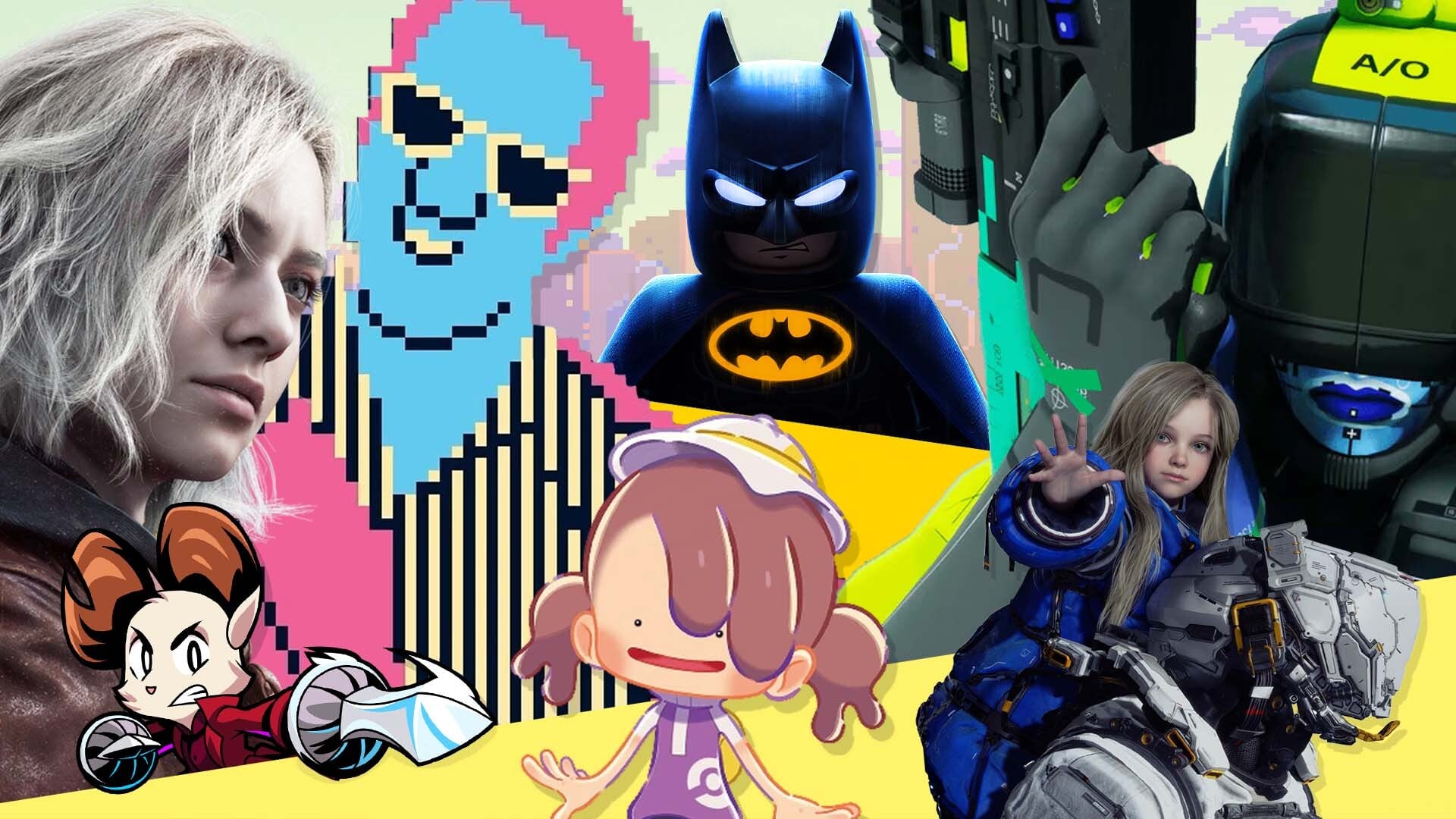
2026 wasn’t just another year in gaming—it was a reckoning. A year where nostalgia clashed with innovation, where single-player epics still ruled the conversation despite the industry’s obsession with live-service models. We played a lot of games this year. Some were duds. Most were brilliant. But these ten titles? They redefined what we thought possible. Buckle up.
The Breakthrough Hits: Games That Didn’t Just Enter the Chat
1. Mina the Hollower – A Masterclass in Atmospheric Storytelling
Platforms: PC (Steam), PlayStation 5, Nintendo Switch, Nintendo Switch 2, Xbox Series X|S
Developer: Yacht Club Games
Metascore: 87 (PC) | 84 (PS5) | 86 (Switch 2)

If you’ve ever marveled at how a single character can carry an entire game, Mina the Hollower is your answer. Yacht Club Games took the minimalist approach to its logical extreme, crafting a world that’s all Mina. No sprawling open zones. No bloated side quests. Just one woman, her hollowed-out voice, and a city that feels like it’s breathing around her.
What makes it work?
- A mood you can’t shake. The visuals are a love letter to 90s point-and-click adventures, but with a modern twist—think Disco Elysium meets Kentucky Route Zero. The environments aren’t just backgrounds; they’re characters.
- Dialogue that hums. Mina isn’t just talking; she’s haunting. Her hollowed-out voice (courtesy of a deepfake experiment gone right) gives every line an unsettling weight.
- Gameplay that’s poetry. The puzzles aren’t convoluted, but they are clever, rewarding lateral thinking over brute-force trial and error.
Where it stumbles:
The early game can feel too slow for players expecting immediate payoffs. If you’re not sold by the first 30 minutes, you might bounce. But stick around—this one grows on you like a scar.
“Mina the Hollower isn’t just a game. It’s an experience that lingers like a half-remembered dream.” — The Guardian
Verdict: A must-play for fans of narrative-driven adventures, and a masterstroke in how to do more with less.
2. Forza Horizon 6 – The Open World Racing Game We Didn’t Know We Needed
Platforms: Xbox Series X|S, PC
Developer: Playground Games
Metascore: 89 (Series X|S) | 88 (PC)

Forza Horizon 5 was a hard act to follow, but Forza Horizon 6 didn’t just meet expectations—it raised them. Set in Japan, this isn’t your typical “open-world racing game.” It’s a love letter to automotive culture, neon-lit streets, and the kind of freedom that makes you want to slam the pedal to the metal at 3 AM just to see what happens.
Why it shines:
- The world is alive. From the bustling streets of Tokyo to the winding mountain passes of Hakone, every inch of Japan feels breathing. Traffic flows naturally. Pedestrians react to your speed. Even the weather feels like it’s part of the race.
- The progression loop is insanely rewarding. Unlocking new cars isn’t just about stats—it’s about style. Hot hatches, JDM legends, and even a few electric beasts all handle differently, and mastering them feels like earning a badge of honor.
- The soundtrack is a work of art. A mix of licensed tracks and original synthwave beats that perfectly match the game’s vibe. Drive fast enough, and you’ll unlock special events with exclusive live performances.
Where it disappoints:
The career mode can feel too streamlined for hardcore fans of FIA-style racing. If you’re looking for deep simulation mechanics, this isn’t it. But if you just want to drive—and drive fast—then this is paradise.
Verdict: The best open-world racer in years. A near-perfect blend of accessibility and depth.
3. Marvel’s Wolverine – A Slow-Burn Superhero Epic That Teases Greatness
Platforms: PlayStation 5
Developer: Insomniac Games
Metascore: TBA (Early Access)
Insomniac’s Marvel’s Wolverine is the kind of game that makes you lean in. Not because it’s flashy, but because it’s dripping with potential. If you’re expecting another open-world superhero romp à la Spider-Man, you’re in for a surprise. This is a tight, cinematic experience focused on Logan’s brutal, relentless combat.
What we love:
- The combat is chef’s kiss. Claws-out brawls feel brutal, weighty, and satisfying. The parry system is one of the best we’ve seen in a while—dodging, blocking, and countering feels like a dance.
- The story is personal. No multiverse nonsense here. This is Logan grappling with his past, his demons, and the weight of being the last of his kind.
- The visuals are gorgeous. The snow-covered streets of Japan (yes, Wolverine is set in Japan) bathed in neon and rain look like a moving anime film.
Where it fumbles:
- The early game feels slow. The narrative takes its time ramping up, and if you’re not sold by the first 60 minutes, you might lose interest.
- Missions can feel repetitive. The lack of variety in objective design makes some stretches drag.
Verdict: Early impressions suggest this could be Insomniac’s best work since Spider-Man. But it’s not quite there yet. Play it now if you’re a fan of Wolverine or Insomniac’s signature style—but temper expectations.
The Underrated Gems: Games That Slipped Under the Radar
4. Echo Isle – A Nostalgic Trip That Leaves You Wanting More
Platforms: PC, PlayStation 5, Xbox Series X|S
Developer: Beacon Interactive Studios
Metascore: 82 (PC) | 80 (PS5)

Echo Isle is the game that comes to life when you cram Zelda: Link’s Awakening, Stardew Valley, and Animal Crossing into a blender and hit pulse. It’s a pixel-art adventure about exploring an island, uncovering secrets, and befriending quirky villagers—all wrapped in a coat of nostalgia so thick you’ll want to hug it.
Why it’s special:
- The art style is stunning. Hand-drawn animations give the world a living, breathing quality that most pixel-art games can’t match.
- The music is hauntingly beautiful. Composer Lena Raine (Celeste, Minecraft) delivers a soundtrack that’s equal parts whimsical and melancholic.
- The secrets are deep. Hidden caves, cryptic NPCs, and lore fragments make exploration rewarding
The catch?
The game ends too soon. At roughly 15 hours, it’s the kind of experience that leaves you wanting more—even if you’re not sure what that “more” would be.
Verdict: A hidden gem for fans of cozy, story-driven adventures. Play it now before it’s forgotten (again).
5. SETI – The Board Game That Makes You Feel Like an Astronomer
Platforms: Physical Board Game (Digital Companion App Available)
Developer: Pandasaurus Games
Metascore: 85 (BoardGameGeek)

SETI isn’t just a board game—it’s a mission. A high-stakes, puzzle-driven race against time (and your own curiosity) to decode alien signals before humanity’s collective patience runs out. Designed by Pandasaurus Games (The Crew, The Mind), it’s a masterclass in asymmetric gameplay where every player’s role feels distinct.
What sets it apart:
- The tension is palpable. The game ramps up urgency as the “alien signal” grows more complex. Miss a clue? Game over.
- The teamwork feels real. Unlike most co-op games, SETI forces players to communicate strategically—no mindless button-mashing here.
- The components are gorgeous. A star map that unfolds like a treasure map, alien figurines, and a companion app that simulates real astronomical data.
Where it stumbles:
The early game can feel too abstract. If you’re not into deciphering coded messages, you might lose interest before the real fun begins.
Verdict: A brilliant blend of science, strategy, and storytelling. The best board game of 2026 so far.
The DLC Dilemmas: When Expansions Miss the Mark
6. F1 25 – 2026 Season Pack Review: A Completionist’s Nightmare
Platforms: PC, PlayStation 5, Xbox Series X|S
Developer: Codemasters (Now EA Sports)

F1 25’s 2026 Season Pack is the kind of DLC that’s technically impressive but emotionally hollow. It’s got all the teams. All the drivers. All the cars. But what it doesn’t have is soul.
The Good:
- It’s complete. Every team, every livery, every driver—even the controversial new ones—are included.
- The physics are on point. If you’re a racing sim purist, this is the definitive F1 experience.
The Bad:
- It’s boring. There’s no story. No progression. No reason to engage beyond “checking boxes.”
- The new content feels forced. The controversial liveries and driver changes are fun for a race or two, but they don’t add anything meaningful to the experience.
Verdict: Only buy this if you’re a die-hard F1 fan who needs every car in your garage. Everyone else? Skip it.
The Honorable Mentions: More 2026 Games Worth Your Time
| Game | Platforms | Why It’s Worth Playing | Potential Pitfall |
|-------------------------|-----------------------------------|------------------------------------------------------------------------------------------|------------------------------------------------|
| God of War: Laufey | PS5 | A darker, more introspective take on Kratos and Atreus. The combat is brutal, the story raw. | The pacing drags in Act 2. |
| Control: Resonant | PC, PS5, Xbox Series X|S | A mind-bending sequel that doubles down on the original’s supernatural weirdness. | Some missions feel too abstract. |
| Onimusha | PS5 | Capcom’s revival of the Onimusha series is a masterpiece of action-horror. | Short campaign (~12 hours). |
| Tomb Raider: Atlantis| PC, PS5, Xbox Series X|S | A return to form for Lara Croft, blending parkour, puzzles, and actual exploration. | The open world is too linear at times. |
The Controversies: Games That Divided the Community
The AI Fear: Is 2026 the Year Gaming Jumped the Shark?
Earlier this year, Insider Gaming sparked a debate with their now-viral tweet: “AI in Gaming Will Only Get Worse in 2026.”
And boy, were they right.
From NPCs regurgitating the same three lines to procedurally generated content that feels artificially deep, AI’s footprint in gaming is growing—and not everyone’s happy about it. Forza Horizon 6 used AI to generate traffic patterns in real-time. Mina the Hollower used deepfake voices for its protagonist. Even SETI’s companion app leans on machine learning to simulate astronomical data.
The divide:
- Pro-AI Crowd: Hails it as the future of immersion, allowing for endless replayability and dynamic worlds.
- Anti-AI Crowd: Argues it’s eroding creativity, turning games into content farms where human touch is optional.
Our Take:
AI isn’t going away—but it shouldn’t replace human creativity. The best games of 2026 (like Mina the Hollower) use AI as a tool, not a crutch. The moment it starts writing the story? That’s when we’ve got a problem.
Final Verdicts: The Games That Defined 2026
| Category | Winner | Runner-Up | Honorable Mention |
|-------------------------|--------------------------|--------------------------|-----------------------------|
| Best Narrative | Mina the Hollower | Marvel’s Wolverine | God of War: Laufey |
| Best Open World | Forza Horizon 6 | Tomb Raider: Atlantis | Control: Resonant |
| Best Co-Op | SETI | – | Echo Isle |
| Best DLC/Expansion | – | – | F1 25 Season Pack |
| Most Controversial | AI in Gaming | F1 25 Season Pack | Forza Horizon 6 (for being too perfect) |
What’s Next?
2026 isn’t over yet. The second half of the year promises:
- The Legend of Zelda: Echoes of the Void (TBA) – A Zelda game where time is the enemy.
- Cyberpunk 2077: Neon Dawn – CD Projekt Red’s attempt to atone for Cyberpunk’s rocky launch.
- Halo Infinite: Reckoning – 343 Industries’ last shot at saving the series.
Stay tuned to ModVC for in-depth previews, hands-on impressions, and—most importantly—reviews that tell you if a game is worth your time.
What was your favorite game of 2026 so far? Did we miss a hidden gem? Sound off in the comments—and don’t forget to sign up for our newsletter for weekly deep dives.