The Battlefield 6 Wake Island Comeback: A Tactical Reset or a Gimmick?

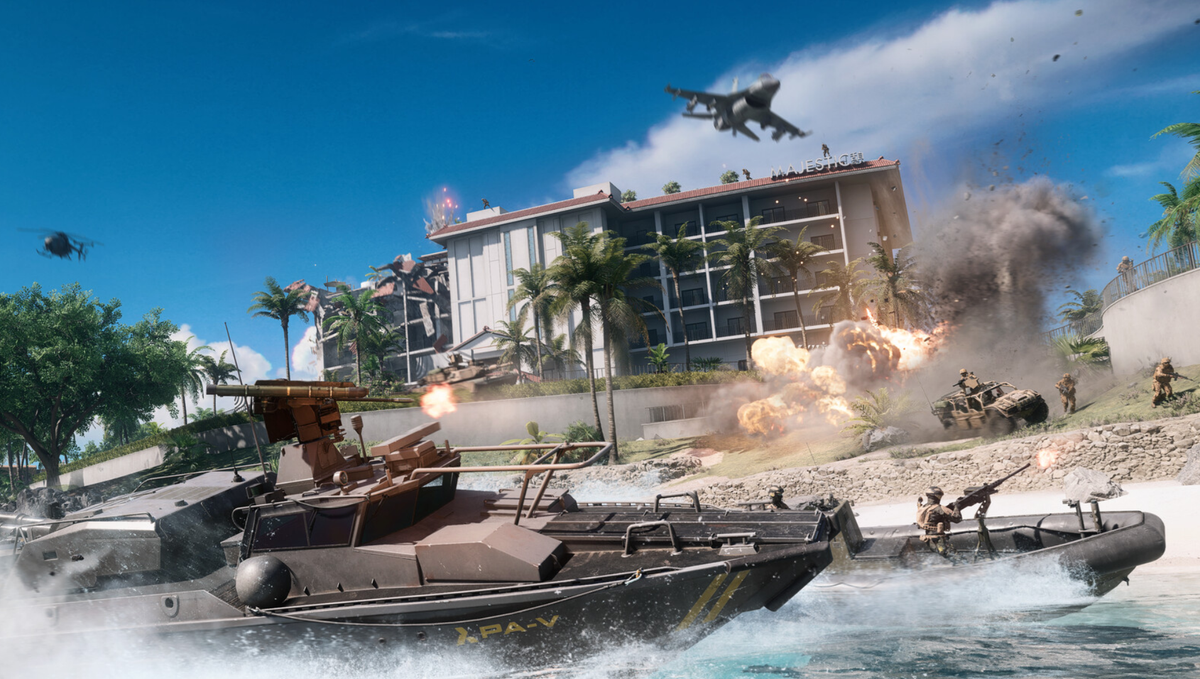
EA and DICE have just dropped a massive Top Gun update for Battlefield 6—free for all players on August 18, 2026. At the heart of the storm? Wake Island, the legendary map that defined Battlefield 1942 and Battlefield 2042’s disastrous launch. But this time, it’s not just a nostalgia grab. The update introduces brand-new game modes designed to shake up the meta, alongside a fresh coat of polish that’s been missing since the game’s rocky launch.
What does this mean for veterans and newcomers alike? Watch the official gameplay trailer to see the chaos unfold.
The Wake Island Resurrection: Why Now?
Wait a minute—Wake Island? The same map that became a meme after Battlefield 2042’s catastrophic performance? Yes, but context is everything. Battlefield 6’s development team has been quietly listening. The map’s return isn’t about lazy recycling; it’s about strategic depth.
- New Modes, New Chaos: The update teases hybrid war scenarios, blending infantry, aerial dogfights, and asymmetrical warfare—something Battlefield 6 has struggled to nail since launch.
- Tactical Respawns: Dynamic damage systems mean no more camping in the same bunker for 20 minutes. Expect real-time repairs, adaptive loadouts, and fluid combat zones.
- Community-Driven Tweaks: After Game Update 1.4.1.5 introduced quality-of-life fixes, players are reporting smoother matches, but the real test will be Wake Island’s reception.

Controversy Brewing: Ranked Battle Royale Gets a Radical Overhaul
Hold onto your seats, because Battlefield 6’s Season 4 update just pulled the rug out from under ranked play. In an unprecedented move, tanks, IFVs, and vehicle keycards are being stripped from Ranked Battle Royale to prioritize infantry combat.
| What’s Gone | Why It Matters |
|-----------------|---------------------|
| Main Battle Tanks | "Too oppressive in close-quarters"—EA’s official statement. |
| IFVs (Infantry Fighting Vehicles) | "Disrupts the tactical pacing." |
| Vehicle Keycards | "Encourages imbalanced loadouts." |
The Fallout: Players are furious. Tanks have been a Battlefield staple since BF1942. Removing them from ranked play feels like a betrayal of core fans, but EA insists it’s to rebalance the game’s meta. LevelCapGaming dives deep into the changes.
"This isn’t just a balance patch—it’s a philosophical shift. Battlefield is no longer about big guns and explosions; it’s about the crack of a sniper round and the sprint through ruin."
— Anonymous Ranked Pro Player
AI Warfare: The Silent Revolution Redefining Battlefields
While Battlefield 6 grapples with its identity, the real war—on and off the screen—is being fought with algorithms.
1. Ukraine’s AI Hunters: Catching 70% of Enemy Targets in 100,000 Drone Streams

The Defense Post reports that Ukraine’s AI-driven drone swarms are now identifying 70% of enemy targets—a staggering leap from manual detection. These systems don’t just spot tanks or artillery; they predict troop movements by analyzing terrain, weather, and historical patterns.
- How It Works: Neural networks trained on millions of drone footage hours to recognize enemy patterns.
- Impact: Reduced civilian casualties, higher precision strikes.
- Controversy: Critics argue it dehumanizes warfare, but the Ukrainian military calls it a necessity in asymmetric conflicts.
"We’re not just fighting soldiers. We’re fighting data."
— Ukrainian Defense Tech Officer
2. Auterion’s Drones: The Future of Battlefield Logistics
Lorenz Meier, CEO of Auterion, told Yahoo! Finance Canada that AI-driven drones are the biggest disruptor in modern warfare since the invention of the tank. These drones don’t just scout—they act as mobile command centers, relaying intel in real-time to infantry squads.
- Key Features:
- Autonomous resupply drops
- Swarm coordination (like a hive mind)
- Self-repairing networks (if one drone goes down, another takes its place)
"We’re moving from remote-controlled weapons to autonomous combat units. The battlefield isn’t just digital anymore—it’s algorithmic."
— Lorenz Meier, Auterion CEO
3. The Han Kuang Exercise: Taiwan’s Tech-Driven Defense Drill
Taiwan’s Han Kuang Exercise is testing real-world AI integration in battlefield responsiveness. Units are being evaluated on:
- Dynamic repair protocols (can a squad fix a tank mid-battle?)
- Adaptive force redeployment (AI suggests where to move troops based on enemy movements)
- Electronic warfare resistance (jamming resistance for drone networks)
This isn’t theoretical—it’s Taiwan preparing for a potential blockade or invasion, where speed and adaptability could mean the difference between victory and disaster.
The Geopolitical Chessboard: Who’s Really Calling the Shots?
While gamers debate Battlefield 6’s ranked changes, real-world alliances are shifting in ways that could redefine modern combat.
The Saudi-Pakistan-Turkey Axis: A Defense Pact Without the War
The Times of Israel reports that the new Mecca defense pact—a coalition between Saudi Arabia, Pakistan, and Turkey—isn’t about starting wars, but about showing strength. None of these nations will directly fight Israel, but they’re sending a message:
- Saudi Arabia: Wants to lead in drone warfare and AI integration.
- Pakistan: Leveraging its nuclear deterrent as a bargaining chip.
- Turkey: Pushing domestic defense tech, like the Bayraktar drones.
"This isn’t NATO. It’s not even a formal alliance. It’s a flex—and flexing matters in modern diplomacy."
— Middle East Security Analyst
Iran’s "Smart Manoeuvring": A General’s Claim of Dominance
Brigadier General Alireza Sheikh of Iran’s army claims that Iran’s military can "crush any ground offensive" thanks to its electronic warfare and asymmetrical tactics. While this sounds like saber-rattling, the focus on smart maneuvering (using drones, cyber attacks, and decentralized units) aligns with the AI-driven warfare trends we’re seeing elsewhere.
The Battlefield 6 Player Revolt: "470 Hours Gone in a Flash"
Not all the drama is happening on the battlefield—some is breaking in the Steam refund requests.
A Battlefield 6 player, posting on GAMINGbible, is demanding a refund after 470 hours of play—only for EA to remove content in a controversial update.
- The Grievances:
- Ranked Battle Royale changes (tanks removed)
- Custom games altered (some modes no longer accessible)
- Community maps delisted without warning
"I grind this game like my life depends on it. And then they rip the rug out."
— Steam Player
EA has yet to respond publicly, but this refund frenzy signals a growing frustration: players feel like EA’s updates are shifting the game away from its core fanbase.
The Road to Battlefield: Startups, Warfare, and the Future of FPS
While Battlefield 6 dominates the headlines, Silkroad Innovation Hub’s Road to Battlefield competition is quietly shaping the next evolution of first-person shooters.
For the second year running, the competition has drawn 726 applications from 39 countries, focusing on:
- AI-driven enemy behavior
- Procedural battlefield generation
- VR combat integration
The winner gets a direct pipeline to EA, meaning the next Battlefield could feature startup tech before it even hits the market.
What’s Next for Battlefield? A Speculative Deep Dive
Given the chaos, what can players realistically expect from Battlefield 6 in the coming months?
Short-Term (Next 3 Months)
- Wake Island Dominance: Expect ranked play to pivot hard toward infantry combat. Tanks might return in unranked modes or custom games, but ranked is becoming a rifle-and-grenade affair.
- AI NPCs: DICE has hinted at smart enemy squads that adapt to player tactics—a Call of Duty: Modern Warfare (2019)-style upgrade.
- Season Pass Adjustments: With so many players demanding refunds, EA may soften upcoming changes to retain their audience.
Long-Term (6-12 Months)
- VR Integration: With Apple’s Vision Pro and Meta’s Quest 4 hitting the market, Battlefield 6 could evolve into a VR-exclusive spin-off—or at least introduce a VR combat mode.
- Procedural Warfare: If the Road to Battlefield winners deliver, we could see randomly generated maps that change every match—no more Wake Island repeats.
- AI Director Mode: Imagine a Left 4 Dead-style AI that crafts missions on the fly based on player behavior. It’s a stretch, but with Ukraine’s advancements, it’s not impossible.
Final Verdict: Is Battlefield 6 Saving Itself or Digging Its Grave?
Battlefield 6 is at a crossroads. The Wake Island update is a bold gamble—bringing back a classic but framing it as a tactical reset. The ranked overhaul, however, risks alienating core players who crave the big explosions and armored division that defined the series.
Meanwhile, real-world warfare is being rewritten by AI, drones, and asymmetrical tactics—less like Battlefield 2042 and more like a cyberpunk war simulator.
For players: The next few weeks will determine if Battlefield 6 can evolve—or if it’s too late to save the franchise from its own updates.
For the industry: The fusion of gaming and real-world warfare tech is accelerating. The line between Call of Duty and actual combat simulations is blurring—and that’s a future none of us saw coming.
Where to Go From Here
- Watch the Wake Island trailer and decide for yourself if this is the comeback story Battlefield needs.
- Check out LevelCapGaming’s breakdown of the ranked changes—fair or destructive?
- Read The Defense Post’s deep dive on Ukraine’s AI warfare dominance.
- Follow the Road to Battlefield 2026 and see how startups are shaping the next generation of shooters.
The battlefield is evolving—will you be ready?