Epic Games’ AI Pivot: The End of Human Code and the Birth of a New Era in Gaming Development
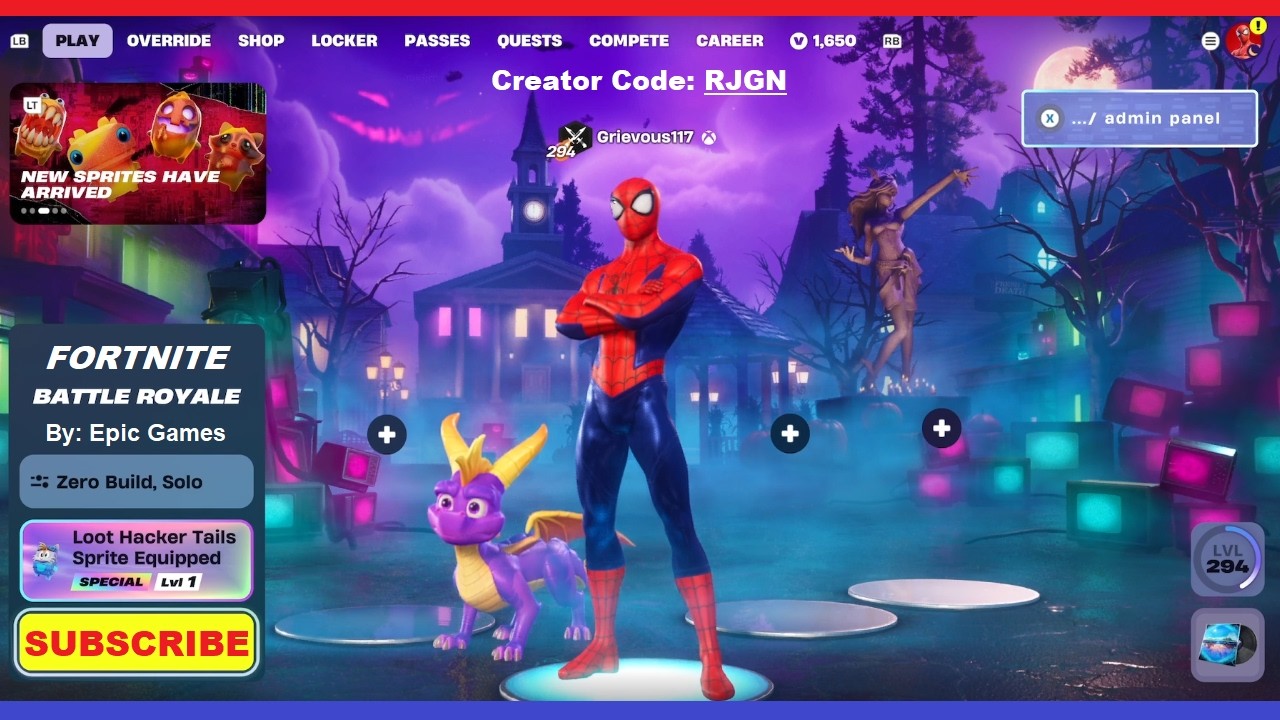
It’s official: Epic Games is all-in on AI. Not as a tool, not as an experiment—as the foundation. This week, reports emerged that the Fortnite maker has delayed its high-profile Disney collaboration (a Marvel/Star Wars shooter, presumably) to force its developers into an ‘AI-first’ workflow. No more hand-written code. No more human-crafted art assets. Just pure, unfiltered machine-generated everything. And if you think this is just another corporate buzzword, think again. Tim Sweeney himself called it a “huge pivot”—one that could redefine how games are made forever.
Why Is Epic Games Betraying Its Own Code?
Epic’s shift isn’t just about efficiency. It’s about survival. The company is under pressure from multiple fronts:
- The Disney Delay: Sources close to the project (via Bloomberg) confirm that the Marvel/Star Wars shooter—once hyped as a potential Fortnite-killer—has been pushed back indefinitely. The reason? Developers were told to “stop writing code by hand” and instead rely on AI tools for everything from scripting to asset generation. The result? A project that’s now years behind schedule, with no clear end in sight.
- The AI Arms Race: Companies like Nvidia, Unity, and even indie studios are racing to integrate AI into their pipelines. Epic can’t afford to be left behind. If they don’t lead, they risk becoming irrelevant—especially as Unreal Engine’s dominance in AAA development faces challenges from alternatives like Godot and Godot’s AI-assisted tools.
- The Talent Crunch: Game devs are expensive, slow, and increasingly hard to find. AI promises to cut costs, speed up iteration, and—according to Epic’s internal docs—“eliminate creative bottlenecks.” But at what cost?
What Does ‘AI-First’ Actually Mean?
Epic isn’t just asking developers to use AI. They’re mandating it. Reports from Tom’s Hardware suggest that:
- Code is dead. No more manual scripting. AI tools like GitHub Copilot (now Epic-optimized) are being forced into every pipeline. Developers who resist risk being reassigned—or worse, let go.
- Art is automated. Concept art, textures, even character models are now generated via tools like Stable Diffusion and Epic’s in-house AI labs. The goal? “Full AI workflows,” meaning human artists are being repurposed as “AI overseers” rather than creators.
- Design is data-driven. Level layouts, dialogue trees, and even narrative beats are now being generated by LLMs trained on Epic’s own game libraries. The result? Games that feel… familiar. Too familiar.
A Developer’s Nightmare (or Opportunity?)
For Epic’s teams, this isn’t just a policy change—it’s a career upheaval. Take this tweet from an anonymous Unreal Engine dev:
“They told us to stop coding like humans. Now I’m spending my days fine-tuning prompts instead of making games. Is this progress?”
Others, however, see opportunity. A former Riot Games engineer now at Epic told Game World Observer:
“AI isn’t replacing us—it’s giving us superpowers. Imagine designing a Fortnite-scale map in hours instead of months. That’s not a threat. That’s a revolution.”
But here’s the catch: No one knows if it works yet.
The Risks: When AI Becomes the Villain
Epic’s AI push isn’t without critics. Here’s why some in the industry are worried:
- The ‘Uncanny Valley’ of Game Design
AI-generated assets often lack soul. Take a look at some early examples from Epic’s internal tests (leaked via Ars Technica):

This skin was supposed to look like a Star Wars lightsaber wielder. Instead, it looks like… well, something a 3D printer threw up after a bad acid trip. The problem? AI doesn’t understand design. It mimics it. And when it fails, it fails spectacularly.
- The Death of Human Creativity?
Epic’s CEO, Tim Sweeney, has long argued that AI is just “another tool” in the developer’s toolkit. But when you mandate its use, you’re not just suggesting—you’re erasing human input. What happens when every game starts to look the same? When every level feels like a regurgitated version of Fortnite?
- The Talent Exodus
Already, reports suggest that some of Epic’s most talented coders and artists are quietly leaving. Why stick around when AI can do your job for cheaper? And if Epic’s best people jump ship, who’s left to guide the AI?
The Epic Games Store: Caught in the Crossfire
While Epic’s AI push dominates headlines, its other major platform—the Epic Games Store—isn’t faring much better. Recent updates (as seen in IGN’s State of Unreal 2026) have done little to win back developers or players:
- The 0% Revenue Share Gimmick: Epic’s promise of “0% revenue share for the first $1 million” has failed to lure big publishers. Most indie devs say it’s “too little, too late.”
- The Store’s Declining Relevance: With Steam still dominating and Microsoft’s push into gaming, Epic’s market share has stagnated. Some analysts (like those in Inside Games Daily) are now openly questioning whether the Store is “doomed to irrelevance.”
- The Unreal Engine Dilemma: While Unreal Engine remains the gold standard for AAA games, Epic’s aggressive pricing and AI-mandated workflows are pushing some studios toward alternatives like Unity or even Godot.
A Store in Desperate Need of a Miracle
Epic’s AI bet is a gamble. If it pays off, they could revolutionize game development—cutting costs, speeding up releases, and making games more accessible. But if it fails? They risk alienating their most valuable asset: the people who actually make the games.
What’s Next for Epic Games?
So, what does this mean for the future? Here’s what we’re watching:
- The Disney Project’s Fate
Will Epic’s Marvel/Star Wars shooter ever see the light of day? Or will it become another scale in the company’s long list of canceled projects? If it flops, it could be a major blow to Epic’s credibility.
- The Talent War
Can Epic retain its top developers in an AI-driven world? Or will they follow the exodus to companies that still value human creativity?
- The Player Backlash
If Epic’s AI-generated games feel too samey, will players revolt? We’ve already seen backlash against AI in music (Boards of Canada’s AI controversy) and film (Sony’s AI voice acting fiasco). Gaming could be next.
- The Epic Games Store’s Comeback (or Collapse)
With Microsoft and Sony tightening their grips, can Epic’s Store carve out a niche? Or will it become just another footnote in gaming history?
Final Verdict: Genius or Madness?
Epic’s AI pivot is bold. It’s risky. And it might just work. But here’s the thing: AI isn’t a replacement. It’s an amplifier.
The best games—Fortnite, Gears of War, Unreal Tournament—weren’t made by machines. They were made by people. And if Epic forgets that, they might just lose the one thing that’s kept them ahead for decades: human creativity.
For now, we’ll be watching. Because one thing’s clear: This isn’t just about AI. It’s about the future of gaming itself.
What Do You Think?
Is Epic’s AI push a necessary evolution—or a death knell for game development as we know it? Sound off in the comments.
Further Reading:
- Epic Games Has A NEW PLAN FOR 2026 – Gameranx
- Epic Games Store May Be Doomed – Inside Games Daily
- State of Unreal 2026: Epic’s Store Updates – IGN

Header Image Credit: Epic Games / Fortnite World Cup 2020