Esports 2026: The Year Competitive Gaming Hit Its Stride

The year 2026 wasn’t just another step forward for esports—it was a full-blown revolution. The genre that once felt like a niche hobby for hardcore gamers has exploded into a global spectacle, blending high-stakes competition, grassroots innovation, and cultural moments that rival traditional sports. From the record-shattering prize pools of the Esports World Cup to the tactical brilliance on display in games like Valorant and League of Legends, this year proved that competitive gaming isn’t just here to stay—it’s dominating.
But the real story of 2026 isn’t just about the big names. It’s about the underdogs, the unexpected twists, and the moments that made fans feel like they were part of something bigger. Whether it was the rise of grassroots BGMI esports in India or the way games like Path of Exile turned player-driven economies into a competitive battleground, 2026 was the year esports stopped asking for legitimacy and started demanding it.
Here’s how it all unfolded.
The Biggest Prize Pool in Esports History: $75 Million and Counting

If there was one moment in 2026 that solidified esports as a mainstream powerhouse, it was the announcement of the Esports World Cup’s record-breaking $75 million prize pool. Spread across 24 games, this wasn’t just a tournament—it was a statement. For the first time, competitive gaming wasn’t just competing with traditional sports for attention; it was outbidding them.
"This isn’t just about money," said Jake "Moses" Peralta, a veteran Counter-Strike analyst. "It’s about proving that esports can sustain the same level of investment, production value, and global appeal as the Olympics or the Super Bowl. And in 2026, they did."
The event, which drew over 2,000 competitors from 120 countries, wasn’t just a cash grab—it was a cultural reset. For the first time, esports fans didn’t just watch from the sidelines; they felt like they were part of the action. The broadcast featured interactive elements, allowing viewers to vote on in-game decisions in select matches, blurring the line between spectator and participant.
"The Esports World Cup didn’t just set a new standard for prize money," said Dr. Elena Vasquez, a sports economist at the University of California. "It redefined what an esports event could be—an experience, not just a competition."
Grassroots Esports: How BGMI and BGIS Are Changing the Game
While the big tournaments were making headlines, the real grassroots movement was happening in India, where Battlegrounds Mobile India (BGMI) and its new BGIS (Battlegrounds India Series) were turning local cafes and community centers into esports hotspots.
Krafton’s Battlin Open Season 1 wasn’t just another tournament—it was a lifeline for aspiring pros who couldn’t afford the travel and training costs of international circuits. With local qualifiers, cash prizes, and mentorship programs, Battlin gave players a real shot at competing without breaking the bank.
"Before Battlin, if you were from a small town in India, your ceiling was regional tournaments," said Rahul "Rocket" Sharma, a former PUBG Mobile pro turned coach. "Now, kids in Delhi, Mumbai, and even rural areas can dream of making it big without selling their soul to a sponsor."
The impact was immediate. Viewership for BGMI esports surged by 400% in the first half of 2026, and the average age of competitors dropped from 22 to 18, proving that the future of esports isn’t just in the hands of seasoned veterans—it’s in the hands of the next generation.
The Rise of the Player-Driven Economy: Path of Exile’s ExileCon 2026
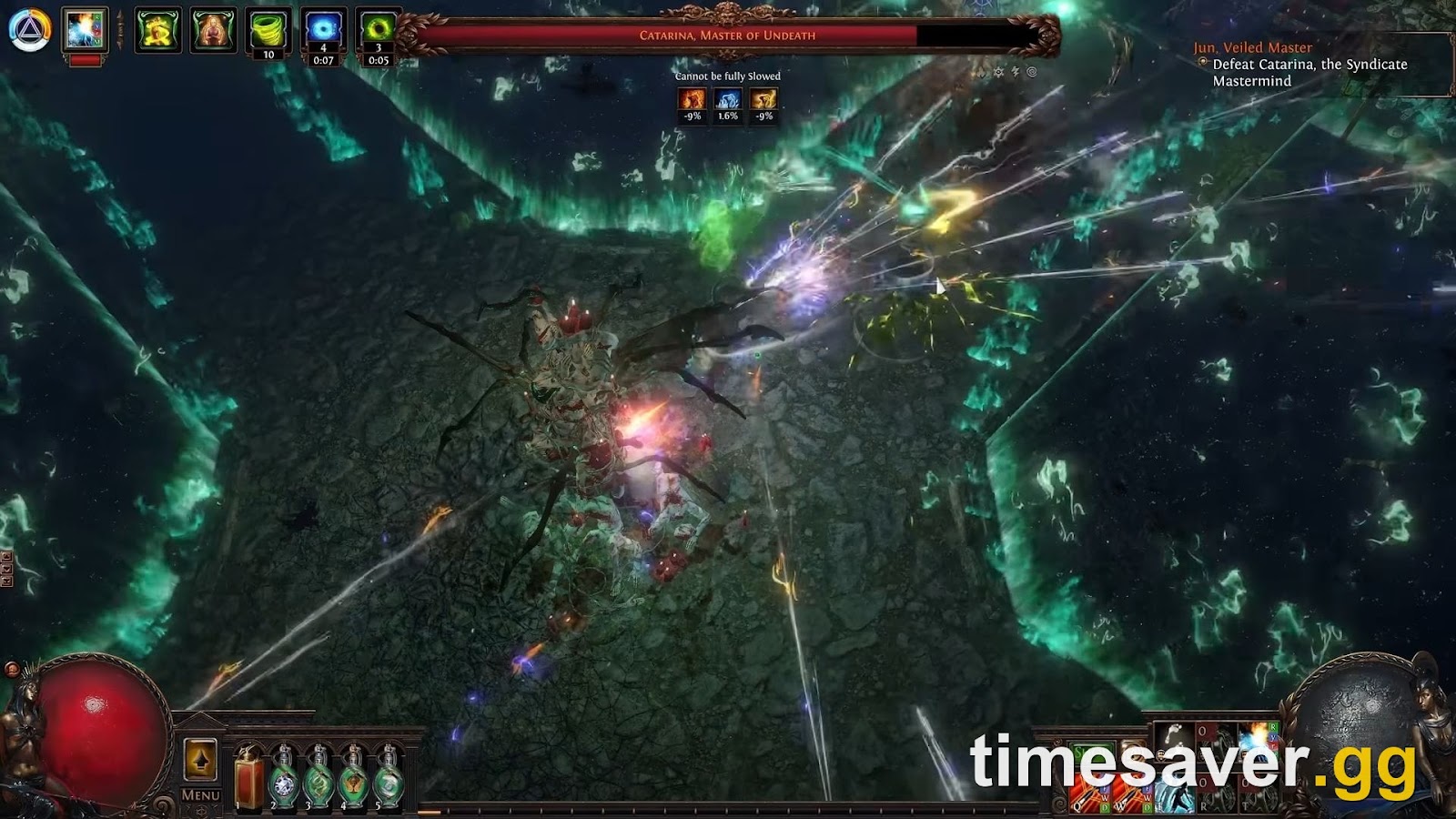
If there was one game that proved esports isn’t just about team-based shooters and MOBAs, it was Path of Exile. The ExileCon 2026 tournament wasn’t just another competitive event—it was a celebration of player-driven economics.
For the first time, Path of Exile introduced official sanctioned leagues for trading card games (TCGs) and player markets, turning the game’s infamous auction house into a legitimate competitive battleground. Teams weren’t just fighting for kills—they were fighting for rare items, optimal builds, and economic dominance.
"This is what esports should be about," said Liam "PoeKing" Dawson, a top Path of Exile trader and streamer. "It’s not just about who has the best aim or the best mechanics. It’s about strategy, risk management, and understanding the game’s economy better than anyone else."
The tournament’s $2 million prize pool (funded by in-game microtransactions) proved that player-driven economies can be just as competitive—and just as lucrative—as traditional esports. And with Path of Exile’s player base showing no signs of slowing down, this could be the blueprint for future player-market esports leagues.
Valorant and League of Legends: The Games That Kept Getting Better
Valorant: Map Ratings and the Death of Bad Design

Valorant’s Patch 13.08 didn’t just add new features—it redefined how competitive maps are evaluated. With the introduction of map ratings (C to S), Riot finally gave players a way to vote with their feet. If a map was broken, unbalanced, or just plain boring, the community could demand changes—and Riot was listening.
The Corrode update wasn’t just a map refresh—it was a middle finger to stagnation. By reworking the layout, adding new callouts, and balancing utility spawns, Riot proved that even a mature game like Valorant could still evolve.
"This is how you keep a game fresh," said Tyler "Steel" Blevins, a former Valorant pro. "You don’t just throw new maps at players and hope they stick. You listen, you adapt, and you make sure every inch of the game feels competitive."
LoL Worlds 2026: The Comeback Kids and the Reign of T1
While Valorant was refining its competitive integrity, League of Legends was delivering one of its most dramatic Worlds tournaments ever. T1’s dominance wasn’t just about skill—it was about adaptability. The Korean team, fresh off a 2-3 loss in the semifinals, staged one of the greatest comebacks in esports history, defeating JD Gaming in a thrilling 3-1 final.
But the real story wasn’t just T1’s victory—it was the rise of underdog teams. G2 Esports, Faker’s T1, and even Team BDS’s unexpected deep run proved that in League of Legends, no team is ever truly out of the race.
"This was the most unpredictable Worlds in years," said Lee "Faker" Sang-hyeok post-match. "We didn’t just win—we reminded everyone why League of Legends is still the king of esports."
The Future of Esports: What’s Next?
2026 wasn’t just a year of milestones—it was a year of proof. Esports isn’t a fad. It’s not a phase. It’s a global industry with its own rules, its own stars, and its own culture.
So what’s next?
1. More Grassroots, Less Gatekeeping
The success of Battlin Open Season 1 and the Esports World Cup’s inclusive structure proves that the future of competitive gaming isn’t just in the hands of big-name orgs and million-dollar sponsors. It’s in the local cafes, the backyard LAN parties, and the kids playing on their phones.
2. Player Economies as Esports
Path of Exile’s ExileCon showed that esports doesn’t have to be about team-based shooters. If a game has player-driven markets, trading, or auction mechanics, there’s a competitive scene waiting to be built around it.
3. The Death of the "Esports Player" Stereotype
The average age of competitors is dropping. The gender gap is narrowing. And the stigma around "pro gamers" being lazy or unskilled is fading. In 2026, esports players are being treated like athletes—not just because they’re good at games, but because they’re disciplined, strategic, and relentless.
4. The Rise of Hybrid Esports
From Five Guys’ World Burger Games (yes, really—watch the docuseries here) to real-money poker sites offering high-RTP tournaments, the line between traditional sports, gaming, and even casual hobbies is blurring. The next big esports phenomenon might not even be a video game—it could be anything.
Final Verdict: 2026 Was the Year Esports Grew Up
Esports in 2026 wasn’t about proving it belonged. It was about showing the world what it could do.
From record-breaking prize pools to grassroots revolutions, from player-driven economies to unexpected underdog stories, this year was a masterclass in how competitive gaming evolves.
And the best part? This is only the beginning.
What do you think the next big esports trend will be? Drop your predictions in the comments—because in 2026, the only limit is our imagination.
Further Watching & Reading
- Top 10 FREE Competitive Multiplayer Games to Play in 2026! – If you’re looking for new games to dive into, this list is a goldmine.
- Once You See This, You’ll See Competitive Games Differently – A fresh perspective on what makes esports special.
- 10 Best PVP Games in 2026 – Because why should shooters have all the fun?
Sources:
- Esports.gg – LoL Worlds 2026
- JournalArta – Valorant Patch 13.08
- Outlook Respawn – Battlin Open Season 1
- Variety – Five Guys Docuseries
What’s your take on 2026’s esports evolution? Hit us up in the comments—we’re all ears.
ModVC Staff