Esports 2026: The Year Competitive Gaming Stopped Playing It Safe
Competitive gaming in 2026 wasn’t just about wins and losses—it was about identity. Fighting games like Marvel Tōkon and Fatal Fury proved esports could thrive without relying on the usual suspects. Street Fighter 6 turned Evo France into a must-watch spectacle, while leagues like the LFL teetered on collapse, forcing the industry to ask: What even is a competitive scene anymore?
And then there were the outliers—the games that flopped, the players who retired only to roar back, and the hardware that redefined how we feel about precision. This year, esports stopped asking for permission to be weird. It stopped playing it safe. And honestly? It was glorious.
The Fighting Game Renaissance (Yes, It’s Real)
For years, fighting game esports has been a love-it-or-hate-it affair. Too niche? Too slow? Too reliant on old-school charm? Then came Marvel Tōkon and Fatal Fury, and suddenly, the genre wasn’t just surviving—it was dominating.
Marvel Tōkon: The Ultimate Test
At Evo France 2026, Marvel Tōkon: Fighting Souls didn’t just participate—it commanded the stage. With its deep mechanics, flashy visuals, and a roster that felt fresh yet familiar, the game proved that fighting esports doesn’t need Street Fighter or Tekken to stay relevant. Players like GO1, who took down Fatal Fury’s top tier to win, showed that when a game is fun at the highest level, the scene follows.
“The game proves decent balance and a good variety of matchups.” — Esports.gg
But balance isn’t just about fairness—it’s about drama. And Marvel Tōkon delivered. Matches weren’t just about frame data; they were about style. About flashy combos that made spectators gasp. About a game that finally felt like it was made for competitive play, not just as an afterthought.
Fatal Fury’s Comeback Kid
Meanwhile, Fatal Fury’s return with City of the Wolves was less about nostalgia and more about raw, unfiltered aggression. At Evo France, GO1’s victory wasn’t just a win—it was a statement. The player, who had considered retirement, embraced the game’s brutality, delivering high-kick finishes that left crowds in awe.
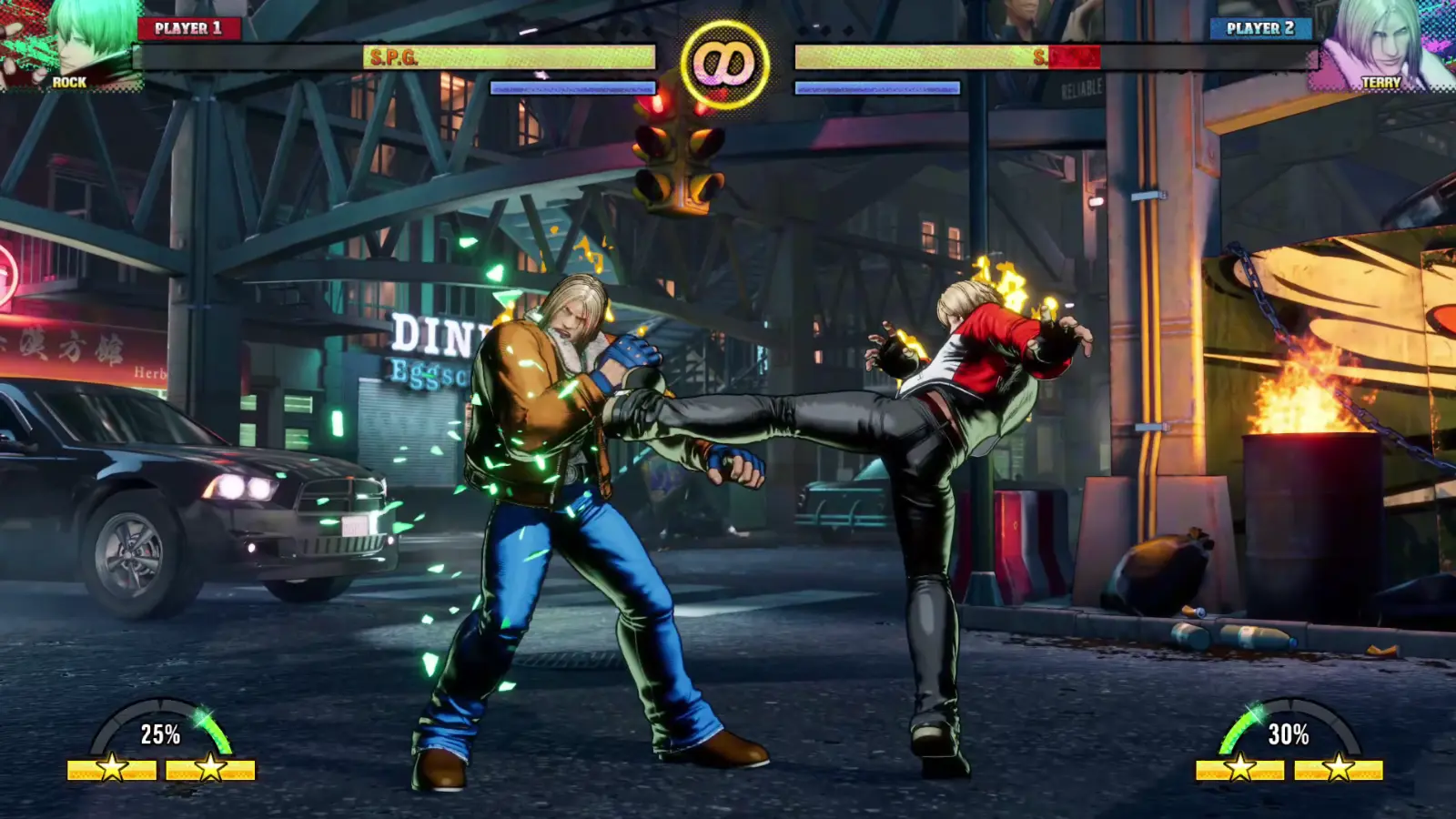
“It’s a crucial win for GO1… The game proves decent balance and a good variety of matchups.” — Esports.gg
What these games share isn’t just success—it’s confidence. Fighting esports isn’t dying. It’s evolving. And in 2026, it finally felt like it belonged.
The League of Legends Crisis: When Even the Giants Stumble
If fighting games were making headlines for the right reasons, League of Legends esports was making them for the wrong ones. The LFL’s rapid unraveling—losing Team Vitality and Ici Japon Corp in just three days—was a wake-up call. The league, once a powerhouse in Europe, now faces an existential question: What happens when your organizer quits?
The problem isn’t just financial—it’s identity. The LFL’s 2027 organizer remains unnamed, leaving teams and fans in limbo. And with Webedia’s reported exit, the league’s future hangs by a thread.
“Uncertainty after Webedia was reported to be quitting France’s League of Legends league.” — The Esports Advocate
This isn’t just about money. It’s about vision. The LFL’s struggles mirror a broader trend: esports leagues are only as strong as their leadership. And right now, leadership is in short supply.
The Hardware Revolution: Gaming Keyboards That Feel Like the Future
While games and leagues dominated headlines, hardware made a quiet but massive impact. The Epomaker HE60 didn’t just launch—it redefined what a gaming keyboard could be. Compact. Responsive. With richer sound tuning that made every keystroke feel intentional.
This isn’t just about speed. It’s about precision. About the way a keyboard can make you feel like you’re in control. And in competitive gaming, that’s everything.
“Compact gaming freedom, precise performance, richer sound.” — FinancialContent
The HE60’s success hints at a larger trend: gamers aren’t just chasing specs—they’re chasing feeling. And in 2026, that meant keyboards that didn’t just click, but sang.
The Wildcards: Games That Flopped, Then Roared Back
Some of the most interesting stories in esports this year weren’t about hits—they were about comebacks. Games like The Blood of Dawnwalker (yes, that Blood of Dawnwalker) were once dismissed as gimmicks. Now? They’re being called Game of the Year contenders. Why? Because they understood what players actually wanted.
And then there were the flops that became essential. Wolverine on PS5? Initially panned for its clunky mechanics. Now? It’s a cult favorite in competitive circles. HollyGame? A mobile title that started as a niche experiment but now dominates in low-spec tournaments.
“8 Games That FLOPPED, But Are Now Essential In 2026!” — Twitter Esports Community
The lesson? Esports doesn’t follow trends—it creates them. And in 2026, the games that thrived were the ones that defied expectations.
The AI Factor: Tools That Change How We Play (For Better or Worse)
You can’t talk about 2026 esports without mentioning AI. From Google AI Studio to crypto-friendly gaming platforms, artificial intelligence isn’t just a tool—it’s a disruptor.
Some players use AI to optimize training. Others rely on it to generate strategies. And then there’s the ethical debate: Is AI cheating? Or is it just another tool?
“AI for sales… Built for modern gaming.” — Học viện Nông nghiệp Việt Nam
The truth? AI isn’t the enemy—bad players are. When used right, it levels the playing field. When abused, it turns competition into a farce. And in 2026, the lines got blurry.
The Future of Esports: Messy, Exciting, and Unpredictable
So what does 2026 tell us about the future? Three things:
- Niche games can dominate. Marvel Tōkon and Fatal Fury proved that esports doesn’t need League or CS2 to stay relevant.
- Leagues are fragile. The LFL’s collapse shows that without strong leadership, even the biggest names can crumble.
- Hardware and tools matter. The Epomaker HE60 and AI-assisted training aren’t just upgrades—they’re game-changers.
But the biggest takeaway? Esports in 2026 stopped caring what people thought. It embraced the weird. The wild. The unpredictable.
And honestly? That’s how it should be.
What’s Next?
- Will Marvel Tōkon keep its momentum? If Evo Japan 2027 is anything like France, we’re in for a treat.
- Can the LFL recover? Or will League of Legends esports in Europe become a ghost of its former self?
- How far will AI go? Will we see AI-generated players in pro leagues? Or will it remain a training tool?
- What’s the next Wolverine? Some game so unexpected that it redefines what competitive gaming can be.
One thing’s certain: 2026 was just the beginning.
Final Thoughts: Esports Isn’t Dead—It’s Evolving

Esports in 2026 wasn’t perfect. It was messy. It was unpredictable. And it was alive.
From fighting games proving they’re still relevant to leagues crumbling under their own weight, this year showed that competitive gaming isn’t about following rules—it’s about breaking them.
And if that’s the future? Bring it on.
Watch, Play, Repeat
- Top 10 FREE Competitive Multiplayer Games to Play in 2026! – Because why pay when you can play for free?
- Once you see this, You’ll see Competitive Games Differently – A fresh perspective on what makes esports tick.
- 10 Best PVP Games in 2026 – If you love the grind, these are the games to master.
What’s your take on 2026 esports? Did we miss anything? Drop your thoughts in the comments—because the conversation’s just getting started.