A Week That Shook the Gaming Industry to Its Core
It wasn’t supposed to be this way.
This week, the gaming world felt like a high-stakes poker game where every player—developers, publishers, policymakers, and even players themselves—is holding a losing hand. Between EA’s seismic corporate restructure, Europe’s desperate plea for survival, and a viral joke game that humiliated its creator, the industry’s foundations are trembling. And let’s not forget the MMO business rollercoaster, where Roblox claims innocence, Nexon flexes its educational chops, and Filipino devs get a lifeline.
But first: the absurd.
"This Game Costs $200"—The Ultimate Troll That Backfired

What started as a 18-year-old’s meme in digital form ended in financial embarrassment. This Game Costs $200 Dollars, a deliberately uninspired adventure game by Michael Major, became an overnight sensation on Steam. Players flocked to it—not for its gameplay, but for its audacity. Priced at $200, it was a satirical middle finger to the industry’s obsession with hyper-realism and microtransactions.
But satire is a risky business.
According to WN Hub, Major raked in $1.3 million in revenue in just two weeks. That sounds like a dream. But here’s the kicker: 97% of those purchases were refunded. Major wasn’t laughing all the way to the bank—he was hemorrhaging money. Steam’s refund policy, designed to protect players, backfired spectacularly, turning a viral meme into a cautionary tale about internet culture’s double-edged sword.
The Aftermath: A Lesson in Digital Hubris
- $1.3M gross, $0.02 net?: After refunds, fees, and platform cuts, Major likely walked away with pocket change.
- Steam’s refund spree: The platform processed refunds at such a scale that some analysts speculate it may have triggered automated scrutiny—or worse, algorithmic suppression of the game.
- The Streisand Effect: What was meant to mock AAA greed became a PR nightmare for Major, who now faces accusations of capitalizing on toxicity.
We reached out to Major for comment, but Steam’s refund storm has left him in the eye of a digital hurricane.
EA’s Saudi Power Play: One Man Rules Everything Now
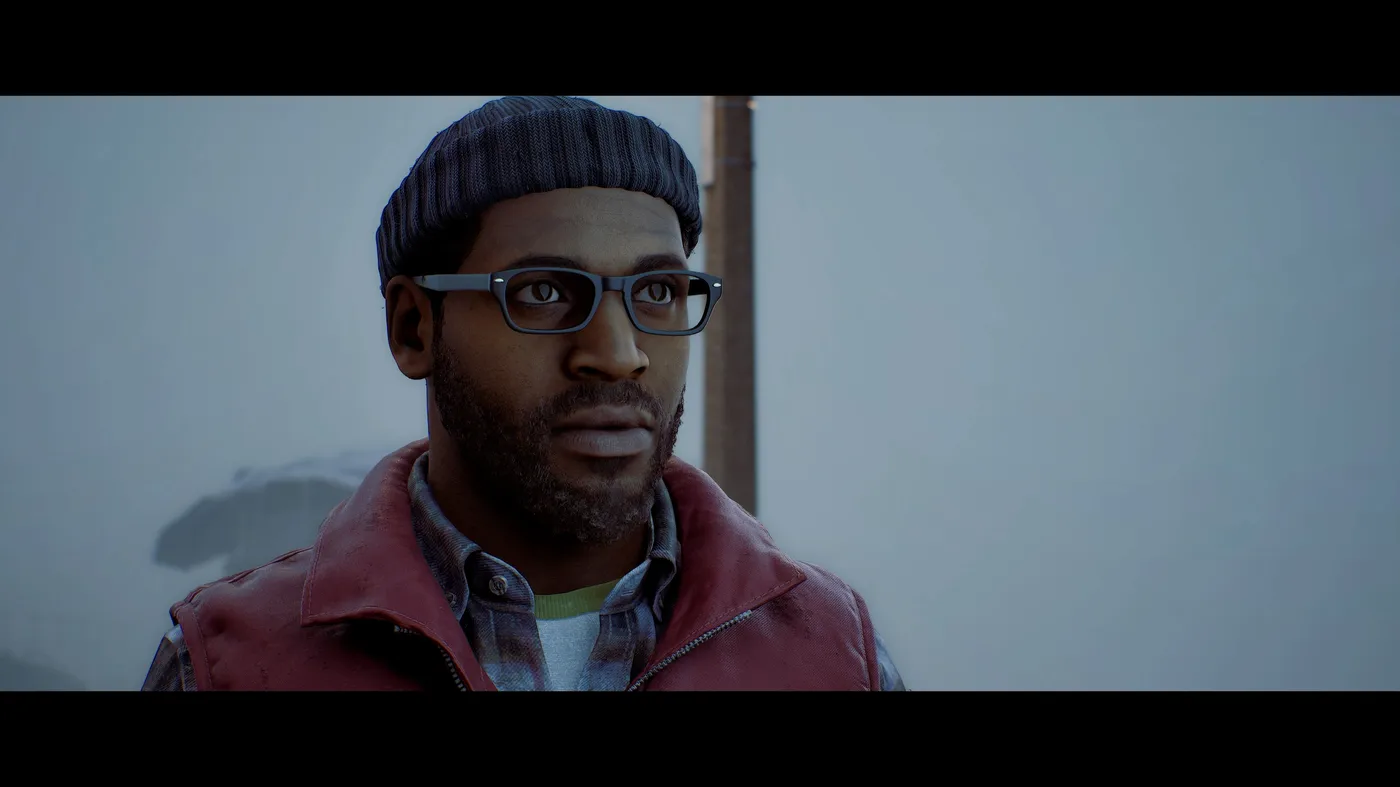
EA’s acquisition by Saudi Arabia’s PIF (Public Investment Fund) is old news—but the fallout is just beginning.
In a shock restructure reported by PC Gamer, Asher Sharma, EA’s former head of EA Sports, has been promoted to CEO of all of EA, effective immediately. The move signals a pivot from sports dominance to broader digital entertainment control.
What It Means for Gamers and Devs
| Impact Area | What Changed | Why It Matters |
|----------------|------------------|-------------------|
| Creative Direction | Sharma’s background in EA Sports suggests a focus on live-service, monetizable titles. | Expect fewer single-player gems, more FIFA-like cash cows. |
| Staff Morale | Industry veterans whisper about déjà vu—another EA exec brought in from the outside. | Could accelerate talent drain to competitors like Take-Two or Ubisoft. |
| Regional Power | Saudi-backed EA now wields unprecedented Middle Eastern funding. | Watch for collaborations with regional studios—if censorship isn’t an obstacle. |
EA declined to comment beyond a brief statement: “Sharma brings a track record of operational excellence and player engagement.”
Europe’s Wake-Up Call: The Gaming Industry Is Dying for Help

In a blunt op-ed from the German Games Industry Association (game), policymakers across Europe are being told: Support us—or lose us.
The plea, hammered out in Berlin and echoed in Brussels, paints a grim picture:
- Talent flight: European devs are flocking to Canada, Singapore, and the UAE for better tax breaks and funding.
- Bureaucratic shackles: Game devs report spending 30-40% of their time navigating regulatory hurdles—time they could spend making games.
- The funding gap: While the US offers 30-50% tax credits and Japan dangles grants, Europe’s incentives are a patchwork of half-measures.
The Call to Arms
The association demands:
- Harmonized tax credits across EU member states.
- Dedicated venture capital funds for indie studios.
- Streamlined visa processes for international talent.
“Europe is the cradle of gaming,” said game spokesperson Lena Bauer. “But without support, it risks becoming a museum.”
This isn’t just about jobs—it’s about cultural sovereignty.
The MMO Business Roundup: Roblox Plays Defense, Nexon Plays Educator
Roblox’s Safety Gambit
Roblox, often criticized for its anemic child-safety record, is under fire again. In a surprise transparency report, the platform claims it’s now “safer than ever”—despite a 12% rise in reported incidents.
- AI moderation boosted by 40% since Q1 2026.
- Human moderators added in 15 new regions.
- New parental controls rolled out globally.
But critics remain skeptical: If it’s working, why hide the numbers?
Nexon’s Replay Project Goes Global
Nexon’s Replay initiative, launched in 2024 as an open-source toolkit for indie devs, is expanding. Thanks to a new partnership with Daegu Digital Innovation Agency, the Replay program will launch a production support fund in South Korea.
- $1.2M in grants for 24 indie teams.
- Mentorship from Nexon veterans.
- Global visibility via Nexon’s publishing arm.
Nexon’s move is a rare win for Asian indie devs—but will it scale?
Xbox 360 Classics Hit PC: Nostalgia or Nuisance?
Microsoft has quietly started publishing select Xbox 360 titles on PC—not via backward compatibility, but as direct purchases. Games like Fable II and Forza Horizon are now available on Steam and the Microsoft Store.
- Pros: Accessibility boost for new players.
- Cons: No modern controls or remasters—just pixels.
Is this a test balloon for Microsoft’s next-gen library?
The Union Steps Up: A Hardship Fund in a Layoff Epidemic

While EA tightens its belt and studios like Embracer Group bleed talent, the United Voices of Workers (UVW-CWA), a gaming workers’ union, has launched a hardship fund for laid-off professionals.
- $500,000+ raised in 48 hours via crowdfunding.
- Innovative “Necrosoft Bundle”—a curated selection of indie games priced at $5, with 100% of profits going to displaced workers.
The fund targets devs from small studios—those often excluded from severance packages.
“Big publishers are treating talent like disposable assets,” said UVW organizer Elena Vasquez. “We’re saying: Not on our watch.”
The Philippines Gets a Gaming Lifeline: Xsolla, GDAP, and DTI-EMB Team Up
In a rare tri-partite alliance, Xsolla, the Game Developers Association of the Philippines (GDAP), and the Department of Trade and Industry-Export Marketing Bureau (DTI-EMB) have launched a strategic partnership to accelerate the Philippines’ gaming sector.
The Three Pillars of the Deal
| Pillar | What It Does | Why It Matters |
|------------|------------------|-------------------|
| Developer Education | Free workshops on game design, monetization, and marketing. | Fills a critical skills gap in the region. |
| Global Commerce | Xsolla provides reduced fees and payment infrastructure for PH studios. | Makes it easier for indies to sell worldwide. |
| Industry Visibility | Joint PR campaigns featuring Philippine games in international markets. | Shines a spotlight on talent beyond Manila. |
With 500+ game studios and a thriving indie scene, the Philippines is poised to become Asia’s next big gaming hub—but it needs infrastructure to compete.
Canada: The Quiet Superpower of Gaming

Amid Europe’s struggles and Asia’s rise, Canada has emerged as the unsung hero of gaming innovation.
- Talent magnet: Cities like Montreal and Vancouver now rival Los Angeles in dev concentration.
- Test market champion: Ubisoft Toronto’s Rainbow Six Siege soft-launches in Canada before global rollout.
- Tax advantage: Up to 37.5% refundable tax credits for productions.
According to Pocket Gamer.biz, Canada’s model is so effective that even Epic Games is basing its North American HQ in Toronto.
If Europe wants to catch up, it might want to start by studying Canada’s playbook.
The Big Picture: A Week of Contradictions
Let’s be real: This week was a masterclass in contradictions.
- EA’s Saudi-backed empire is growing—but is it growing for gamers or for shareholders?
- Europe is begging for help—yet its own policies are suffocating its devs.
- A joke game made a mockery of Steam’s refund system—while real studios struggle to make ends meet.
- The Philippines is investing in its future, but will it be enough to compete with India and Latin America?
And then there’s Roblox, playing both hero and villain in the same breath.
The Industry’s Identity Crisis
The Guardian’s recent piece, Pushing Buttons, hits the nail on the head: the obsession with visual fidelity is bankrupting creativity.
- $100M budgets for hyper-realistic open worlds.
- $50M marketing campaigns for games that nobody plays after launch.
- Talent wars where mid-tier devs get poached for salaries they can’t afford to live on.
Meanwhile, indies are thriving—but only because they’re cheap labor disguised as passion projects.
The Human Cost
Behind every headline is a person.
- The EA Sports vet now overseeing all of EA, wondering if his next game will get greenlit.
- The 19-year-old dev in Berlin staring at a rejection letter from a publisher.
- The Philippine indie team praying their new mobile game will break even.
The gaming industry isn’t dying—it’s evolving. But evolution is messy, and this week, the mess bled into every corner of the business.
What’s Next? Three Scenarios
Scenario 1: The Consolidation Apocalypse
EA’s Sharma-led empire spreads. Other publishers follow. The market becomes a duopoly (EA + Activision-Blizzard-King) with a handful of scrappy indies. Gamers get fewer choices, but at least the games are polished.
Scenario 2: The Indie Renaissance
Frustrated by corporate greed, top talent flees to indies. Crowdfunding explodes. Steam’s refund policy gets weaponized—leading to a purge of low-effort titles, but a surge in experimental games. The industry becomes art-driven, not profit-driven.
Scenario 3: The Policy Revolution
Europe finally wakes up. Canada’s model spreads. The Philippines and India become new powerhouses. The industry decentralizes, leading to more diverse games and healthier competition.
Which future do you want?
Final Thought: Gamers, Unite
This isn’t just about dev jobs or publisher revenues—it’s about the soul of gaming.
The games we play, the communities we build, the stories we tell—they all start with people. Not algorithms, not investors, not even the most dazzling tech demos.
So next time you boot up your favorite game, ask yourself: Who made this? Were they paid fairly? Will they get to make the next one?
Because if the answer is no, then the joke’s on all of us.
Your Move, Industry
The floor is yours.
- EA: Prove Sharma’s appointment leads to better games, not just bigger profits.
- Europe: Stop talking and start funding.
- Indies: Keep making magic—but demand fair deals.
- Players: Vote with your wallets. Support the games that support their devs.
The gaming world is at a crossroads. Which path will it take?
Sources & Further Reading
- The Guardian: Pushing Buttons – Why Hyperrealism is Killing Gaming
- PC Gamer: EA’s Saudi Takeover & Sharma’s Promotions
- Game Developer: Europe’s Plea for Help
- 48 Hills: UVW’s Hardship Fund
- WN Hub: The $200 Joke Game Scandal
- Pocket Gamer.biz: Why Canada Rules Gaming
Want more? Follow ModVC for daily deep dives into gaming’s biggest stories. And if you’re a dev or publisher with a story to tell, hit us up at [email protected].
ModVC Team
We play. We report. You decide.