The Gaming Industry Is Breaking—And Rebuilding Itself
The video game industry is in the middle of a seismic shift. One of its most legendary studios, BioWare, has shut down overnight, leaving Mass Effect fans in mourning and EA’s future in question. Meanwhile, Poland is doubling down on gaming as a national competitive strength, Southeast Asia’s market just hit $9.1 billion, and Xbox’s next-gen handheld could redefine portable gaming. But beneath the headlines, something darker is happening: salaries are plummeting, AI is reshaping jobs, and the industry’s stability is under threat like never before.
This isn’t just another cycle of layoffs and consolidation. This is a reckoning.
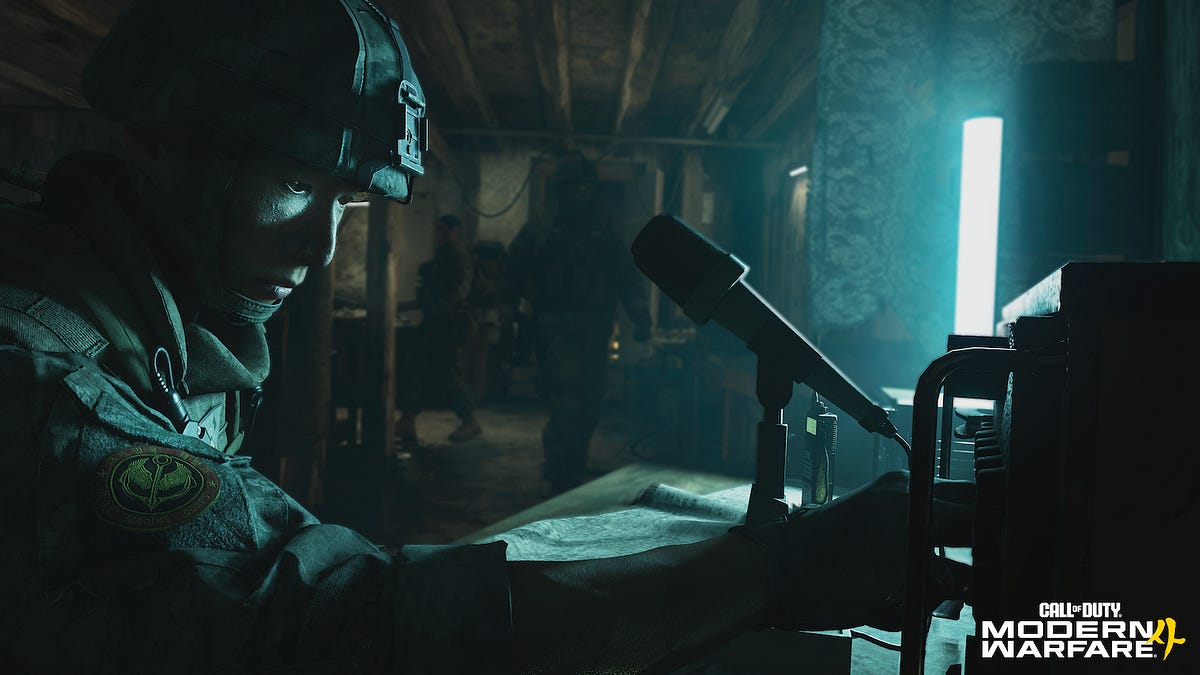
BioWare’s Death and EA’s Uncertain Future
For three decades, BioWare was the gold standard of storytelling in gaming. Mass Effect, Dragon Age, Star Wars: Knights of the Old Republic—these weren’t just games. They were cultural touchstones, built on the studio’s unmatched ability to craft deep, emotionally resonant worlds. But today, BioWare is gone. Shut down by EA in a move that feels less like a business decision and more like a gut punch to the industry.
The official statement was brief: ‘After careful consideration, EA has made the difficult decision to close BioWare.’ But the real story is in the details. Layoffs. Cancelled projects. A canceled Mass Effect sequel. This isn’t just about one studio—it’s about how EA’s corporate decisions are reshaping the industry.
CD Projekt Red’s Marcin Iwiński, the man behind The Witcher, put it best in a recent interview with PC Gamer: “BioWare has been a massive part of CDPR’s history. They let us use the Aurora Engine for The Witcher, and they helped us showcase it at E3. That partnership was crucial.” Now, with BioWare gone, the question is: Who’s left to carry the torch for narrative-driven RPGs?
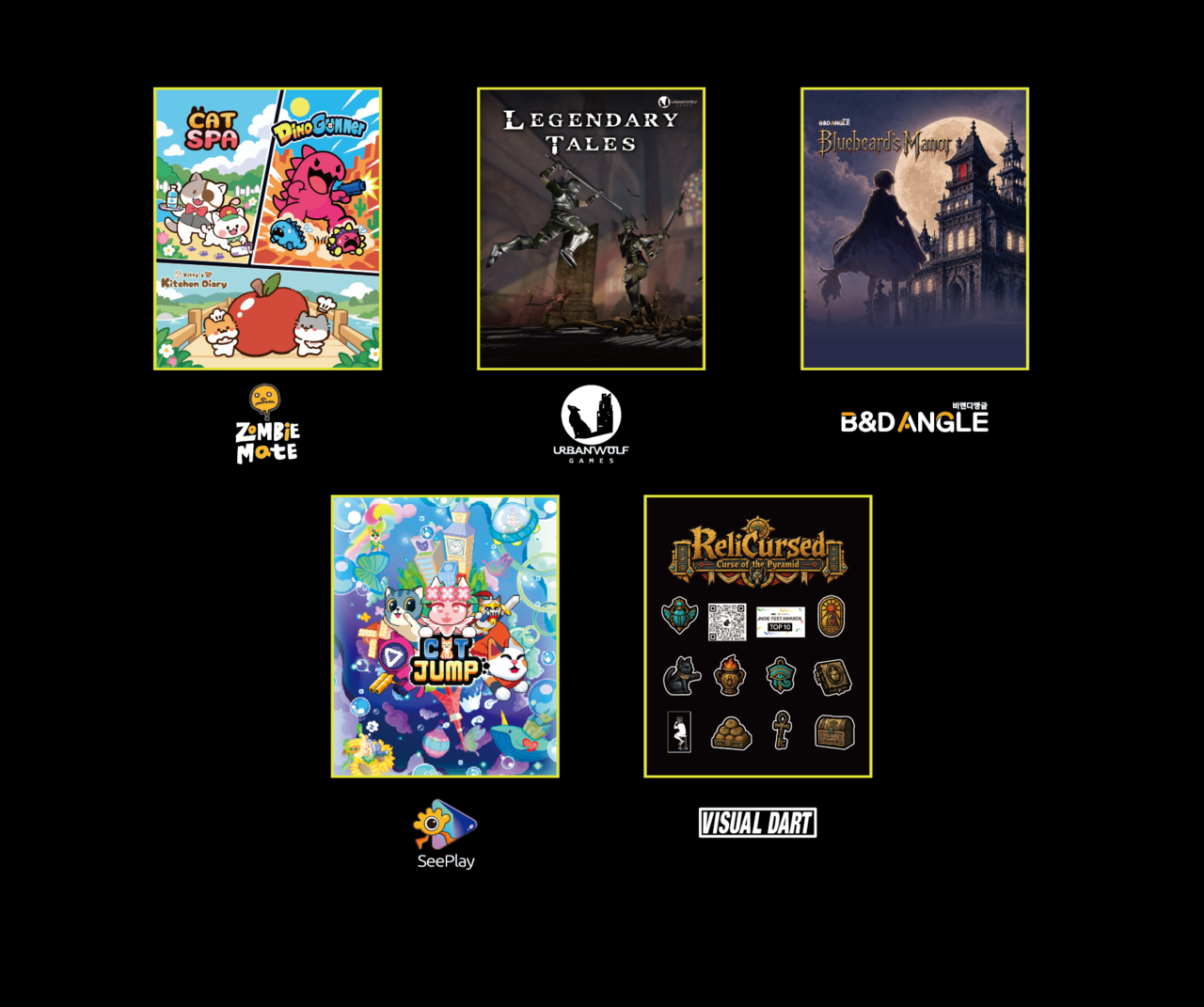
Poland’s Gaming Gambit: Can It Be the Next K-Pop?
While EA is dismantling legacy studios, Poland is betting everything on gaming as a national powerhouse. The country’s government isn’t just treating gaming as an export industry—it’s positioning it as a core pillar of economic competitiveness, much like South Korea did with K-pop and tech.
“Games are Poland’s K-pop,” reads a recent report from Inven Global. “The industry is no longer just about entertainment—it’s about jobs, innovation, and global influence.” Poland’s gaming sector is already a $1.5 billion industry, employing over 20,000 people, and the government is pouring resources into studios like CD Projekt Red, Techland (Dying Light), and The Farm 51 (Helldivers 2).
But can Poland pull off what South Korea did? Success depends on whether it can balance creative freedom with corporate backing. For now, the signs are promising—but the industry’s polarization (big studios vs. indie devs) could be a hurdle.
Southeast Asia’s $9.1B Gaming Boom—And the Challenges Ahead
While the West grapples with layoffs, Southeast Asia’s gaming market is exploding. A new report from Access Partnership reveals the region’s industry has hit $9.1 billion, with mobile gaming leading the charge. Indonesia, Thailand, and the Philippines are becoming major players, and analysts predict the market could reach $12 billion by 2028.
But growth comes with challenges. Piracy remains rampant, infrastructure is uneven, and local talent development is still catching up. Still, the numbers don’t lie: Southeast Asia isn’t just a market—it’s the future of global gaming.
The Salary Crisis: AI, Layoffs, and a 13% Pay Cut in 4 Years
Here’s the harsh truth: Gaming jobs are getting worse. A new report from 36Kr reveals that salaries in the industry have dropped by 13% in just four years, with 46% of re-employed workers earning less than before.
Is AI to blame? Partly. Automation is reshaping development pipelines, but the real issue is corporate greed. Studios are cutting costs, outsourcing more work, and expecting employees to do more with less. The result? Burnout, underpayment, and a brain drain of talent.
“The industry is showing signs of recovery,” says one analyst, “but at what cost?” If trends continue, the next generation of game devs might not even enter the industry—because they can’t afford to.
Xbox’s Secret Handheld: Project Helix and the Future of Portable Gaming
While the industry struggles, Microsoft is cooking up something big. Rumors suggest Project Helix, Xbox’s next-gen handheld, could launch as early as late 2028, with a price tag between $1,200 and $1,800.
That’s right—a premium handheld. In an era where Sony’s PS5 is already struggling, and Nintendo’s Switch is dominating, Xbox is betting big on high-end portable gaming. The question is: Will gamers pay for it?
The Big Questions: What’s Next for Gaming?
- Can indie devs survive in this climate? With big studios cutting costs and AI automating more tasks, small teams are feeling the squeeze.
- Will Poland’s gaming push pay off? If the government’s investments translate into innovation, Poland could become Europe’s gaming powerhouse.
- Is Southeast Asia the next big market? With mobile gaming booming, the region could redefine global gaming trends.
- Will Xbox’s handheld succeed? If Microsoft can pull off a premium portable device, it could change the industry forever.
- Is the industry’s salary crisis fixable? Without intervention, the next generation of devs might walk away for good.
Final Thoughts: A Moment of Truth
The gaming industry is at a crossroads. BioWare’s shutdown is a wake-up call. Poland’s rise is a gamble. Southeast Asia’s boom is a sign of things to come. And Xbox’s handheld could redefine portable gaming—if it works.
But the real story isn’t just about studios or markets. It’s about people. The devs, the artists, the writers—the ones who make the magic happen. If the industry doesn’t address its salary crisis, its burnout culture, and its corporate greed, the next generation might just walk away.
As one developer put it in a recent Polygon video: “The industry is in crisis. But it’s also in a position to change—if we demand better.”
What do you think? Is gaming’s future bright, or is this the beginning of the end?

Watch:
- WTF Is Happening To The Video Game Industry? – A deep dive into the industry’s struggles.
- Top 10 NEW Games of November 2026 – What’s coming next month?
- Sony might be cooked – The PS5’s struggles and what it means for gaming.