Indie Gaming in 2026: The Year Sony Dropped the Disc, Wardogs Sold a Million Copies, and Silksong Proved Metroidvanias Are Forever (ModVC Staff, October 8, 2026)
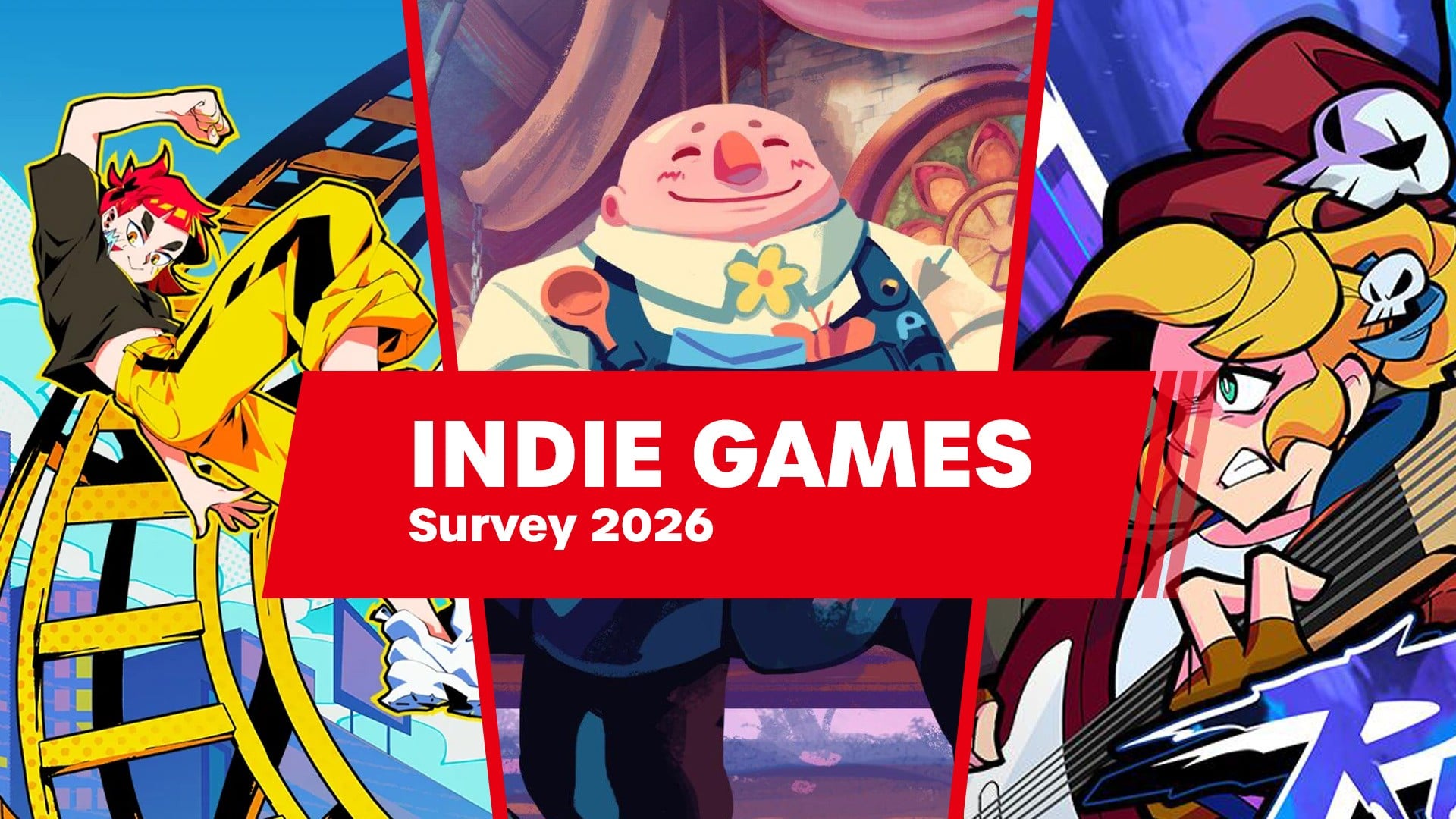
If 2026 taught us anything, it’s that the gaming industry doesn’t just evolve—it implodes in the most dramatic ways possible. Sony’s decision to phase out physical discs for PlayStation games starting in January 2027? A masterclass in how to alienate a fanbase faster than a GTA dev can ruin a franchise. Meanwhile, indie games—those scrappy, creative underdogs—were out here making actual magic. Wardogs sold a million copies before most AAA games even launched. Hollow Knight: Silksong dropped like a goddamn meteor, proving that even in 2026, Metroidvanias still own the soul of gaming. And let’s not forget the viral mod that turned a Fallout 4 gig into an unplanned spectacle. This year was a mess. It was a masterpiece. It was both.
Here’s the unvarnished truth of indie gaming in 2026—no corporate PR, no sugarcoating, just the raw, unfiltered chaos of a year that refused to play by the rules.
The Sony Disc Phase-Out: How PlayStation Fans Turned a PR Move Into a Full-Scale Rebellion
Sony’s announcement in September 2026 that all new PlayStation games would drop disc support starting January 2027 was supposed to be a ‘progressive’ move—digital-only, streamlined, efficient. What it actually was? A middle finger to fans who still love the physical experience of gaming.
Reddit exploded. Twitter lit up. And then, in a move that would’ve made Fallout’s Vault-Tec proud, Sony’s own fans started calling out the hypocrisy. One particularly viral post from GameHero laid out 10 ways Sony had already upset PlayStation fans in 2026 alone—from the sudden removal of God of War Ragnarök’s disc support to the way Horizon Forbidden West’s digital-only launch left some players scrambling.
The kicker? Sony’s own Indie Game Festival at SAGA Expo 2026—where indie devs were begging for digital flexibility—ended with a silent protest. Devs walked out. Fans boycotted. And for once, the backlash wasn’t just online. It was real.

The takeaway? Sony thought they could force digital dominance. They were wrong. Indie devs, who’ve been fighting this fight for years, proved that physical media isn’t dead—it’s just waiting for the right game to bring it back.
The Unplanned Viral Moment: When a Fallout 4 Mod Turned a Gig Into a Meme
If you weren’t alive in September 2026, let us fill you in: Benjamin Burnley, frontman of Breaking Benjamin, was playing a Fallout 4 mod at a live show. He wasn’t supposed to. The crowd wasn’t supposed to lose their minds. But when Killemloud—a modder known for his Fallout work—plugged his ‘Break The Night’ mod during the set, something snapped.
The mod, which overhauled Fallout 4’s combat system with a brutal, hack-and-slash roguelike twist, turned Burnley’s gig into a viral sensation. Fans tweeted. Streamers reacted. And for a single, glorious night, Fallout 4—a game that had been dead for years—became the hottest topic in gaming.
Burnley, in an interview with Nerdly, laughed it off: “I had no idea what I was getting into. One minute I’m singing ‘Irresistible,’ the next I’m dodging laser turrets in a post-apocalyptic wasteland.”
The mod itself? A masterclass in indie creativity. It took a game that had been forgotten and turned it into something new. And that’s the power of indie gaming in 2026: it doesn’t wait for permission.
The Million-Copy Wonder: Wardogs Proves Indies Can Still Sell Like AAA
Let’s talk about the game that didn’t just survive 2026—it dominated it. Wardogs, the tactical shooter from indie studio Lone Wolf Team, sold over a million copies in its first month. That’s right. A million.
And the best part? It wasn’t just a fluke. Reddit users were already celebrating its success before launch, with one post in r/Games calling it “the indie game of the year before it even launched.”

So what made Wardogs tick?
- A fresh take on tactical shooters—no clichés, just pure, brutal strategy.
- A community that built it—players weren’t just buying it; they were owning it.
- A dev team that listened—Lone Wolf Team took feedback and ran with it, turning early concerns into late-game features.
In a year where AAA games kept underperforming, Wardogs reminded us: indie games don’t need to be ‘the next big thing’ to be a hit. They just need to be good.
The Metroidvania Renaissance: Hollow Knight: Silksong and the Sea of Sorrow
If you thought Hollow Knight was already a masterpiece, wait until you saw Silksong. The Sea of Sorrow expansion dropped in August 2026, and it was nothing short of breathtaking.

From the new biome—a floating island city of glass and steel—to the deeply personal story of its protagonist, Silksong didn’t just expand Hollow Knight. It elevated it.
And here’s the thing: Metroidvanias still rule. In a year where AAA games struggled to find their footing, Silksong proved that creative, atmospheric games—the kind indie devs have been making for years—are the ones that last.
Nintendo Life’s 2026 Switch Guide called it “one of the very best”—and they weren’t wrong. It’s beautiful, dangerous, and unforgettable—exactly what indie gaming should be.
The AI Debate: miHoYo’s Future and the Future of Indie Devs
Let’s talk about AI. Because 2026 wasn’t just about games—it was about how we make them.
At the APSARA Conference 2026, miHoYo—yes, that miHoYo—dropped a bombshell. In a presentation on the future of Honkai: Star Rail and Petite Planet, they admitted AI was changing everything—for better and worse.
One slide, in particular, sent the indie dev community into a frenzy:
“AI is not a replacement for creativity. It’s a tool. But like any tool, it can be abused.”
The reaction? Mixed. Some devs saw it as a necessary evolution. Others? A death knell for indie gaming.

The truth? AI is here. It’s changing the game. And indie devs are either going to adapt—or get left behind.
The Games That Failed (And Why It Matters)
No year is complete without a few disasters. And 2026 had its share.
Marvel’s Wolverine: The AAA Flop That Should’ve Been Indie
Insomniac Games—yes, the Insomniac Games—dropped Marvel’s Wolverine in September 2026. And let’s just say… it didn’t go well.
IGN, GameSpot, even Jake Baldino (from Gameranx) gave it glowing reviews—but the real reviews? The ones from the fans? Not so much.
Reddit users in r/InsomniacGames weren’t holding back:
“This game is a day-one car wreck. Where’s the Spider-Man magic?”
“I paid $70 for a game that feels like a GTA Online beta test.”
The kicker? Insomniac’s own devs admitted it was rushed.
Lesson learned? Even AAA studios can’t escape the indie dev’s curse: if the game isn’t fun, it doesn’t matter how pretty it looks.
The Indie Devs Who Stole the Show
Because let’s be real—2026 wasn’t just about the big players. It was about the small studios, the lone devs, the teams working out of garages who made the year their year.
Anime Breaker: The Roblox Game That Became a Cultural Phenomenon
Yes, Roblox. Yes, again. But this time? It was different.
Anime Breaker—a game where players could break into anime studios, hack systems, and steal secrets—became a cultural phenomenon. Rock Paper Shotgun even covered the codes in October 2026, calling it “the most subversive Roblox game yet.”
Why did it work? Because it played with expectations. It was funny, chaotic, and unapologetically weird—just like the best indie games.
The Future of Indie Gaming: What’s Next?
So where do we go from here? 2026 was a wild year. Sony’s disc phase-out backfired. Wardogs proved indies can still sell. Silksong reminded us why Metroidvanias are forever. And AI? It’s coming.
But here’s the thing: indie gaming isn’t just about the next big thing. It’s about creativity. It’s about risk. It’s about making games that matter.
And if 2026 taught us anything, it’s this:
- Fans remember the games that surprise them. (Wardogs, Silksong, Break The Night.)
- They forget the games that don’t. (Wolverine.)
- They hate when corporations ignore them. (Sony, we’re looking at you.)
The indie devs of 2026? They got it. They made games that felt alive. They made games that made people talk. And they made sure the industry couldn’t ignore them.
So here’s to 2027. May it be weird. May it be wild. And may the indies keep stealing the show.
What’s your favorite indie game of 2026? Drop your thoughts in the comments. And if you’re still mad at Sony? Join the club.
(Featured Image: The Alpha Feed’s mysterious PlayStation post)