Indie Gaming’s Golden Age: 2026’s Breakthroughs, Battles & Bold New Worlds
By ModVC Team
October 8, 2026 |
Indie | Culture | Innovation
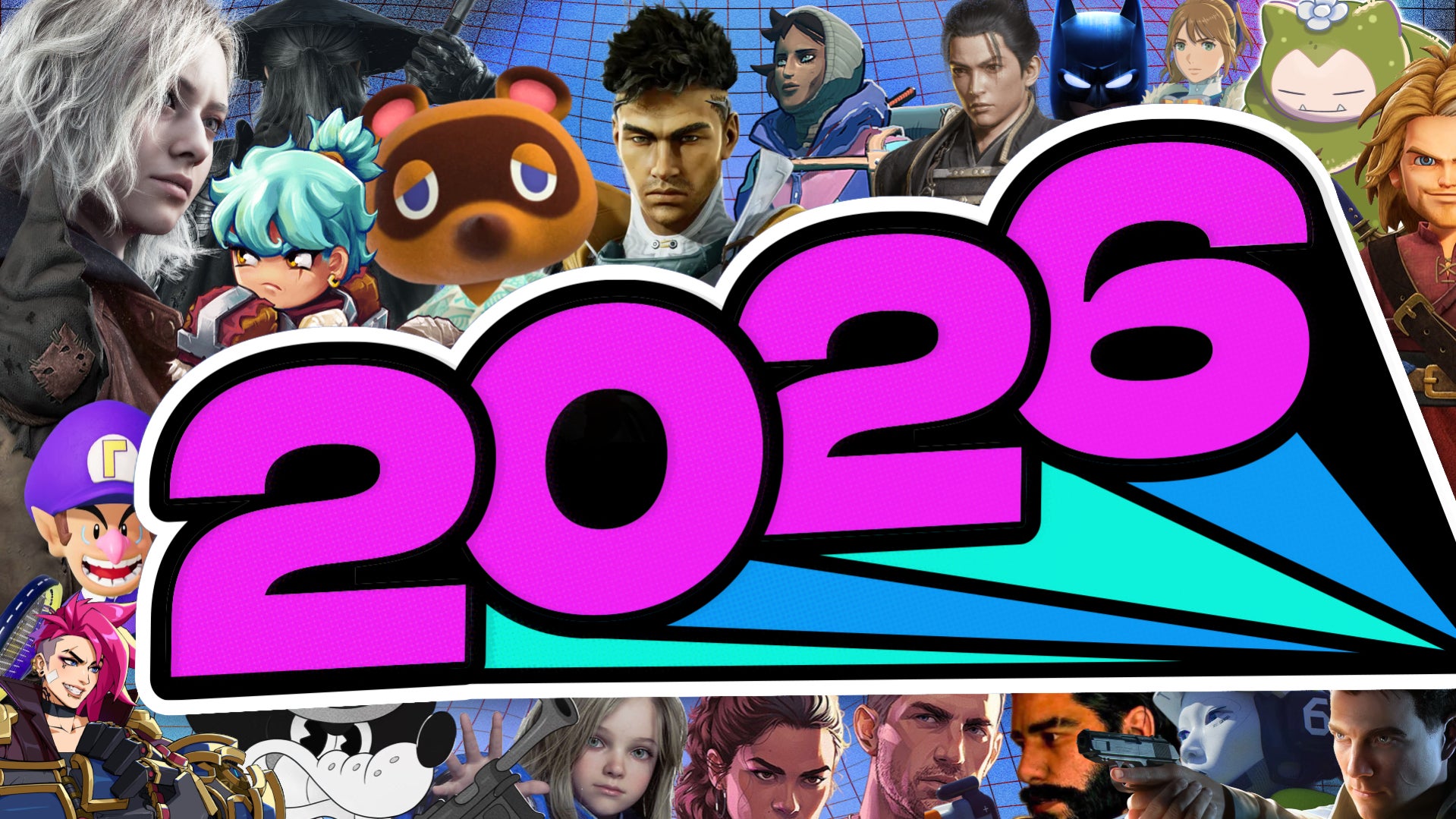
There’s a fire burning in indie gaming right now—and it’s not just the kind that comes from a well-timed boss fight. 2026 has been a year of unprecedented creativity, heated debates, and games that refuse to be ignored. From the buzzing energy of Future Games Show Spring 2026 to the Shacknews E4 Indie Showcase, where hidden gems were unearthed like never before, indie developers have once again proven they’re the heartbeat of gaming’s future. But this year? The stakes—and the conversations—are higher than ever.
And let’s be honest: no one saw this coming.
The Indie Renaissance: What Future Games Show Spring 2026 Revealed
If you missed Future Games Show Spring 2026, you missed a masterclass in how indie games are evolving. While AAA titans hogged the spotlight with their usual spectacle, it was the smaller, scrappier titles that stole the show—proving that innovation doesn’t need a billion-dollar budget to shine.
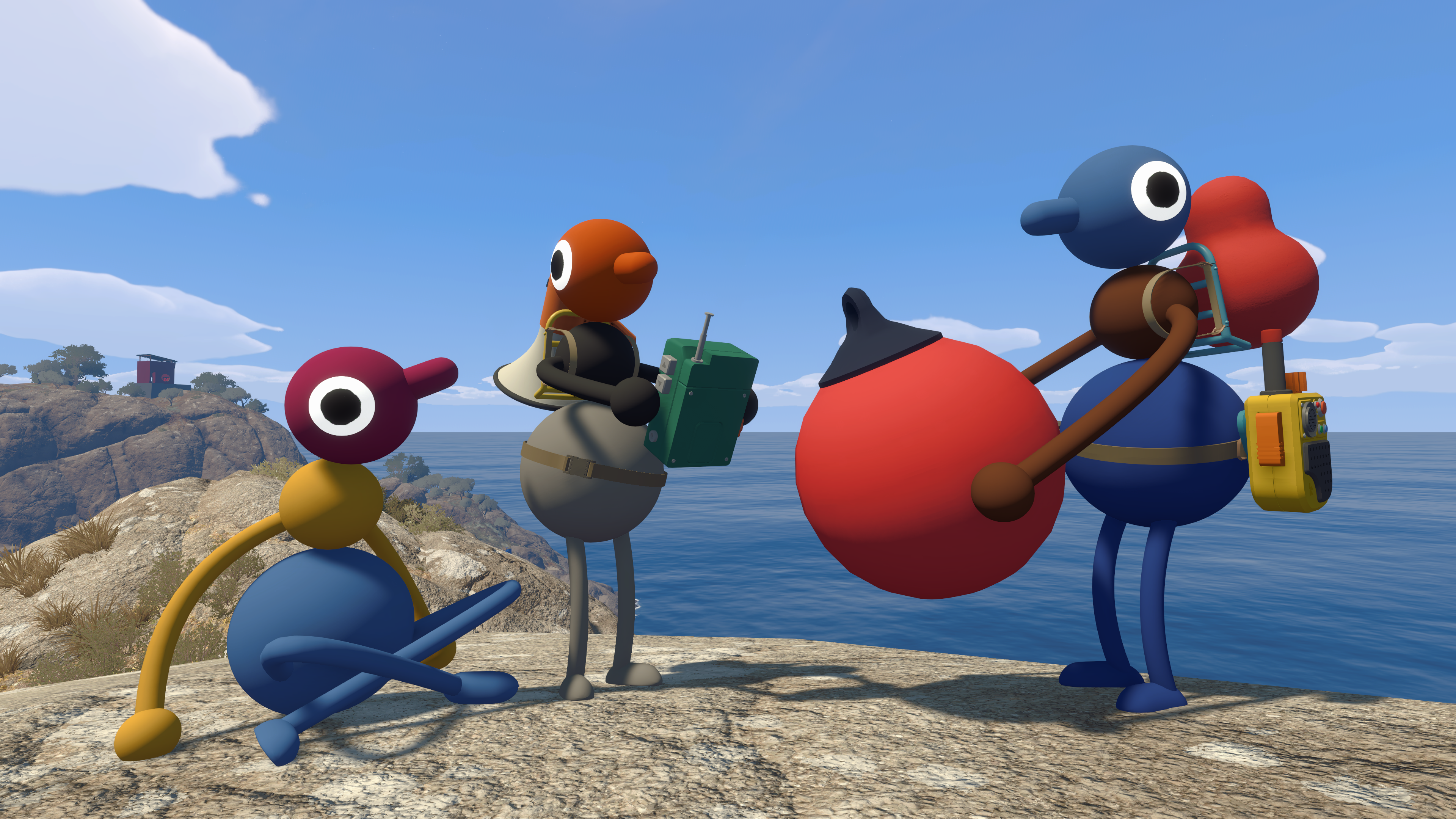
One of the most talked-about announcements? A stealth platformer from an unknown developer, described as “Portal meets Dead Cells in a neon-lit dystopia.” Early screenshots leaked online (see https://static0.polygonimages.com/wordpress/wp-content/uploads/2026/06/big-walk.png) hinted at fluid physics-based puzzles and a darkly comedic narrative—the kind of game that makes you forget you’re playing something “small.”
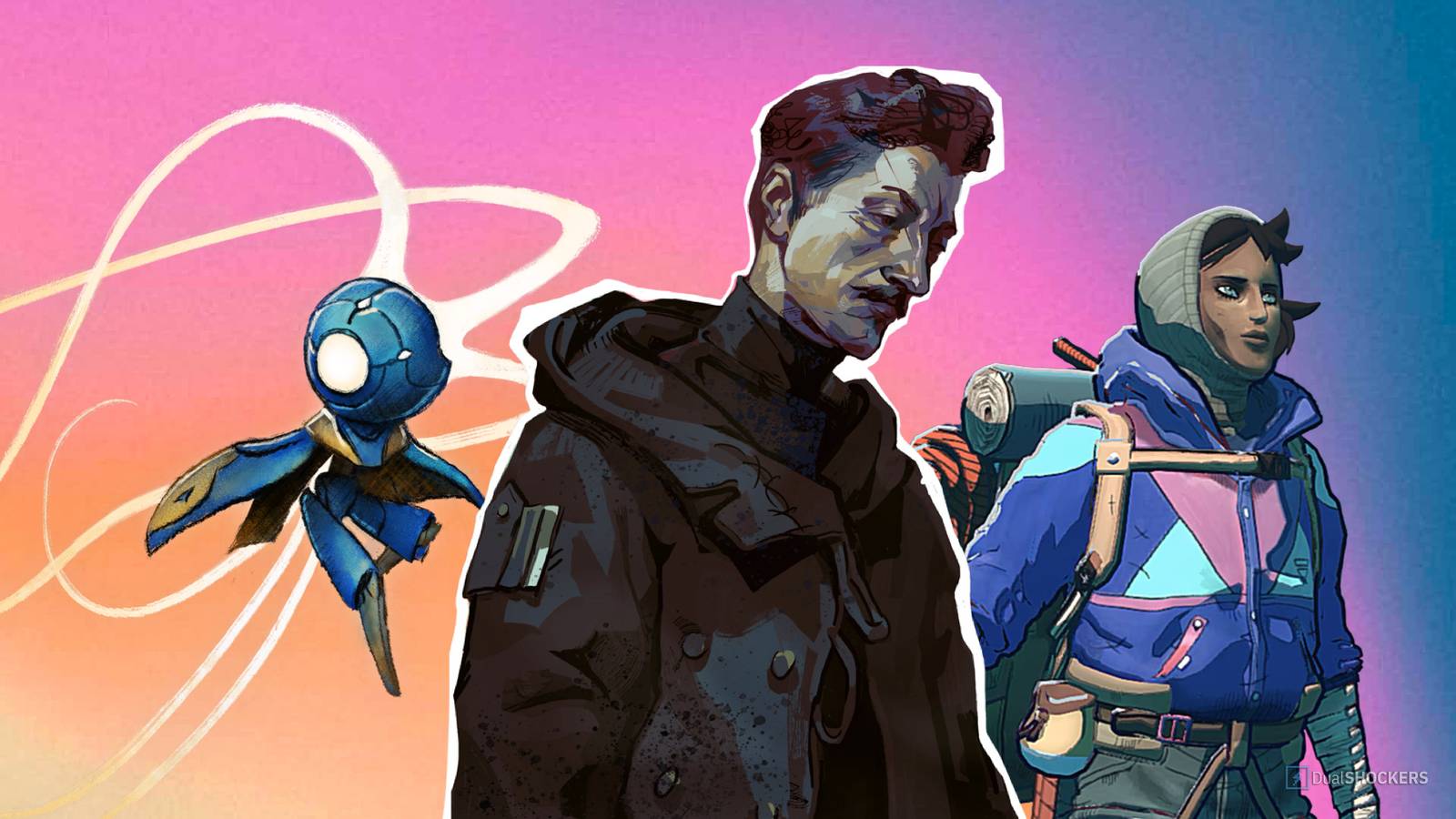
But the real standout? A narrative-driven RPG that blends procedural storytelling with player choice, where every decision alters the world in meaningful, unpredictable ways. Think Disco Elysium meets The Stanley Parable, but with emotional weight that lingers long after you finish. The developer, a one-person team, called it “a love letter to games that remember you.”
Why it matters: This isn’t just another indie release—it’s a statement. In a year where AI-generated content dominates headlines, this game (and others like it) is a defiant reminder that creativity still thrives in human hands.
Shacknews E4 Indie Showcase 2026: The Games You Missed (But Shouldn’t Have)
If you weren’t at Shacknews E4, you missed some of the most promising indie titles of the year. The event was a whirlwind of demos, playable prototypes, and developers begging for your attention—because in 2026, indie success isn’t guaranteed.
The Hidden Gems That Stole the Show
- "Kaiserpunk: Anniversary Edition" – Celebrating its one-year anniversary, this cyberpunk roguelike received a completely free update, adding new factions, deeper lore, and a revamped combat system. The devs called it “a promise to our community”— and they kept it.
- "The Last Broadcast" – A horror-adventure where players piece together a missing person’s final days using found footage, voice logs, and environmental storytelling. Early reviews called it “Her Story meets Silent Hill,” and the VOD from Shacknews (embedded below) shows why:
- "Echoes of Sunnydale" – A fan-made game born from the ashes of the cancelled Buffy reboot, this point-and-click adventure lets players experience Sunnydale’s supernatural world through the eyes of a new hero. The dev, who built it in six months, released it for free—because the story deserved to live.
Why it matters: These games aren’t just technical achievements—they’re proof that passion, not budgets, define greatness. In a year where AI tools are democratizing game development, these indie creators are proving that human storytelling still wins.
The AI Debate: Where Does Creativity End?
Let’s talk about the elephant in the room.
Hank Green, one of gaming’s most beloved creators, finally came clean after fans roasted him for AI-assisted content. In a raw, unfiltered Instagram post, he admitted:
“I used AI. A lot. And I’m not proud of it.”
His confession sparked one of the year’s biggest debates: Can AI be creative? Or is it just a tool for lazy creators?
Then there’s Loish, who dropped a scathing Instagram thread slamming AI-generated mods like “Skate 3: Mario Edition” (yes, it exists). Her take?
“I don’t want to play your AI-generated mod that puts Skate 3 in Elden Ring. That’s not creativity—that’s content theft in disguise.”
The truth? AI is here. It’s inevitable. But great games aren’t made by algorithms—they’re made by people who care.
And that’s why indie developers are fighting back—not by embracing AI, but by proving that human-made games still have soul.
The Social Media Shift: Where Gamers Hang Out in 2026
If you think Discord and Twitter are the only places gamers talk anymore, think again. 2026 saw the rise of niche platforms where passionate communities thrive—and indie devs are listening.
The 111 Social Media Sites You Actually Need to Know
Forget Facebook and Instagram. The real conversations are happening on:
- Nitro – A gamer-first social network where voice, video, and text channels blend seamlessly. Think Discord meets Twitch, but with less spam and more real communities.
- Big Walk – A visual novel and narrative game hub where writers and artists collab in real-time. Early projects suggest something like Doki Doki Literature Club meets Undertale’s fan community.

- Shacknews Forums 2.0 – The revamped version of the old forums, now with AI-curated threads, live Q&As with devs, and a vibe that’s equal parts nostalgic and cutting-edge*.
Why it matters: These platforms aren’t just where gamers talk—they’re where indie games get discovered. If you’re a dev, you’re missing out if you’re not here.
The Unseen Battles: When Even Indie Games Get It Wrong
Not every indie game in 2026 was a masterpiece. Some missed the mark, and the backlash was fierce.
GTA 6’s UI: A Case Study in What Not to Do
Rockstar’s new GTA 6 trailer (released June 25, 2026) hinted at a minimalist UI—but fans weren’t having it. The simplistic design (think iOS-style menus) was met with roasting from every corner of the internet.
The takeaway? Even in indie circles, design matters. And when a billion-dollar game gets it wrong, smaller devs pay attention.
Sony’s Ebola Village Trailer: A Lesson in Respect
Sony removed a Resident Evil knockoff trailer from YouTube after fans called it out for mocking real-world tragedies. The ”Ebola Village” concept was too close to home, and the backlash was immediate*.
Why it matters: Indie devs, listen up. Your games can be bold, but they should never be cruel.
The Future of Indie Gaming: What’s Next?
2026 wasn’t just about games—it was about a movement. A defiance against mediocrity, a celebration of human creativity, and a promise that the best is yet to come.
Here’s what we’re keeping our eyes on:
- More narrative-driven indies – Games that treat storytelling like an art form, not an afterthought.
- AI as a tool, not a replacement – Devs using AI for prototyping, not creativity.
- Fan-driven projects – Games like Echoes of Sunnydale proving that passion beats budgets.
- New platforms for discovery – Nitro, Big Walk, and others changing how games get found.
Final Thought: The Soul of Indie Gaming
At the end of the day, indie gaming isn’t about budgets or tools. It’s about people who refuse to quit. Who build worlds from scratch. Who tell stories that matter.
And in 2026? They’re doing it better than ever.
What’s your favorite indie game of the year? Let us know in the comments—and don’t forget to follow ModVC for more deep dives into gaming’s future.
🔥 Stay tuned for our next cover story: The Rise of the Indie Dev—How Small Teams Are Taking on AAA Giants.
ModVC Team – Because gaming deserves stories worth telling.