The JRPG Landscape in 2026: A Genre at the Crossroads

The JRPG genre has always been a paradox—beloved yet divisive, innovative yet nostalgic, a cultural powerhouse in Japan but often an overlooked gem overseas. But in 2026, something feels different. The genre isn’t just surviving; it’s thriving in ways we didn’t see coming. Between Square Enix’s bold experiments, Nintendo-era classics getting second chances, and a few eyebrow-raising surprises, JRPGs are dominating conversations in ways that would’ve been unthinkable even five years ago.
So where does the genre stand right now? Let’s break it down.
1. Square Enix’s HD-2D Renaissance: Elliot vs. The Legend of Zelda?

Square Enix veterans have been dipping their toes into a curious debate lately: Is the new wave of HD-2D JRPGs—like The Adventures of Elliot: The Millennium Tales—being unfairly compared to The Legend of Zelda? According to the team behind Elliot, no. In a recent interview with GamesRadar+, they argued that the visual style and narrative depth are inspired not by Nintendo’s masterpiece, but by their own 35-year legacy of crafting intricate, story-driven RPGs. And honestly? They’re not wrong.
Why Elliot’s Comparison to Zelda is Misleading
- Narrative Focus: Elliot leans heavily into cinematic storytelling, with branching dialogue and character-driven quests that feel more like Final Fantasy or Octopath Traveler than Zelda.
- Combat System: While HD-2D games often share similar art styles, Elliot’s combat is turn-based with a twist—real-time dodging mechanics that feel more like NieR:Automata than Breath of the Wild.
- World Design: The game’s world is dense with lore, NPCs with day/night cycles, and side quests that rival Persona 5 in depth.
Is HD-2D the Future of JRPGs?
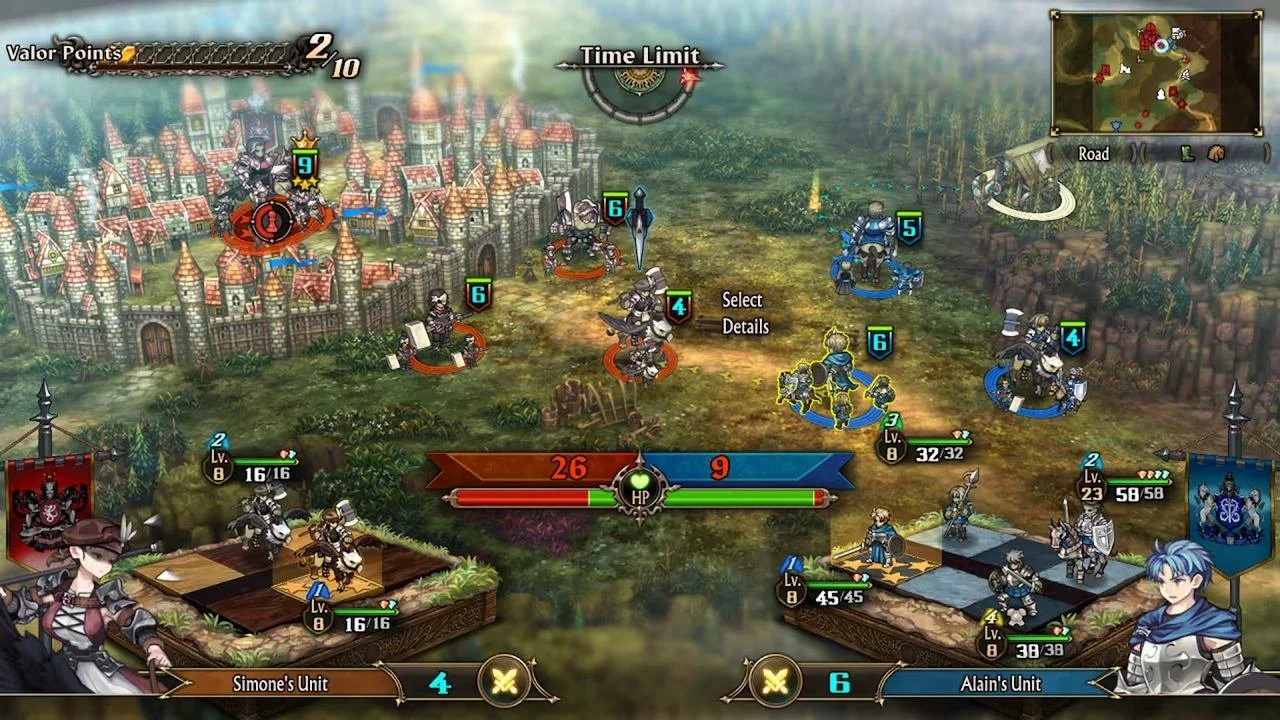
The style—which blends pixel art with modern lighting and effects—has become Square Enix’s signature. But is it sustainable? With games like Unicorn Overlord and Triangle Strategy proving that the market still craves this aesthetic, it’s clear HD-2D isn’t going anywhere. Whether it’s the right fit for every story remains to be seen, but for now, Square Enix is betting big on it.
2. The SNES JRPG Purists’ Dilemma: Love vs. Reality
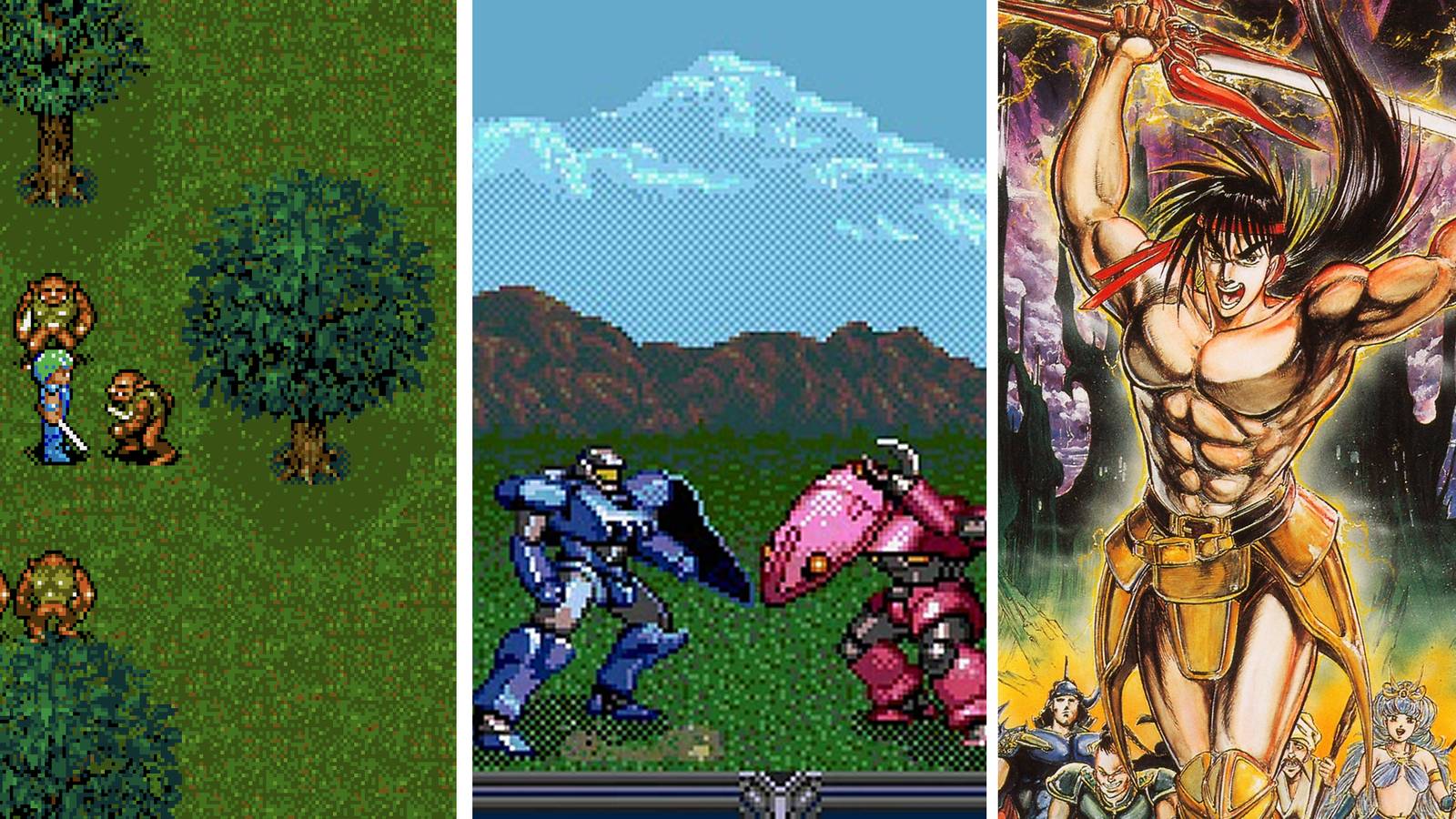
The SNES era was a golden age for JRPGs, but not every title from that time deserves a place in your heart—or your backlog. In a brutally honest rundown by DualShockers, we’re reminded that even classics have their off-years. Here’s the list of SNES JRPGs you might want to skip, and why:
| Game | Why Skip It? | Better Alternative |
|----------|------------------|-----------------------|
| Bahamut Lagoon | Obscure, slow-paced, and overly niche. | Final Fantasy VI |
| Sutte Hakkun | A cult classic, but the gameplay is punishingly slow. | Breath of Fire III |
| Metal Max | More of an open-world vehicle RPG than a traditional JRPG. | Lufia II: Rise of the Sinistrals |
| Cyber Knight | Archaic mechanics that haven’t aged well. | Ogre Battle: March of the Black Queen |
| Paladin’s Quest | Confusing leveling system and almost no hand-holding. | Illusion of Gaia |
| Zoop! | Not even a real JRPG—it’s a puzzle game. | Super Mario RPG |
| Rockman X3 (Wait, no, that’s a Metroidvania.) | Bad Example | Secret of Mana |
| Robotrek | Unique, but overly cutesy and mechanically shallow. | EarthBound |
The SNES JRPG Hall of Fame (Because Not All Is Lost)
If you’re digging for greats, the SNES still delivers:
- Chrono Trigger – The gold standard of SNES RPGs.
- Final Fantasy VI – A masterclass in storytelling and innovation.
- Secret of Evermore – Weird, charming, and underrated.
- Super Mario RPG – The bridge between platformers and RPGs.
The lesson? Not every classic holds up—but the ones that do? They’re gold.
3. The Greatest JRPGs of All Time: Where Do We Draw the Line?

A year after Clair Obscur: Expedition 33 redefined what a modern JRPG could be, Comic Book Resources took a hard look at the genre’s greatest masterpieces. The list is predictably stacked with legends, but it’s the rankings that spark debate. Here’s the top five, and why they’re untouchable:
Top 5 Greatest JRPGs of All Time (According to CBR)
- Final Fantasy VII – The PS1 classic that defined a generation.
- Persona 5 – A cultural phenomenon with unmatched style.
- Chrono Trigger – The SNES RPG that time forgot to ruin.
- Xenoblade Chronicles – A scope that rivals open-world epics.
- Dragon Quest III – The template for all future turn-based RPGs.
The Controversial Omissions
No list is perfect. Where’s Fire Emblem: Three Houses? NieR:Automata? Lufia II? The truth is, rankings like this are subjective—but they do highlight how Clair Obscur and Xenoblade have clawed their way into the conversation. A year after its release, Expedition 33 isn’t just a critical darling; it’s a standard. MSN’s retrospective calls it the game that "shifted the gaming landscape considerably," and they’re not wrong. It’s a benchmark for narrative depth, combat innovation, and artistic ambition.
4. The SNES Demake of Final Fantasy XVI: Nostalgia Overload

If you thought Final Fantasy XVI was epic in 4K, wait until you see it in 16-bit. A SNES-style demake has dropped, and it’s glorious. The video channels the aesthetic of early Squaresoft RPGs while stripping away the modern sheen—replacing it with pixel art, chiptune music, and menu screens that look like they’re straight out of Final Fantasy IV.
What the Demake Gets Right
✅ Charm: The limited color palette forces creativity in level design.
✅ Combat: Turn-based magic feels like a spiritual successor to FFVI.
✅ Nostalgia Factor: It’s a love letter to the era when JRPGs were weird, deep, and unapologetic.
What the Demake Gets Wrong (If Anything)
❌ Pacing: Modern FFXVI’s story is dense. A SNES adaptation would struggle to fit it all.
❌ Character Models: Cloud, Tifa, and the gang look adorable in pixel form—but will fans accept them as the iconic silhouettes we know?
Still, it’s a fascinating experiment. If demakes keep gaining traction, we might see Persona 5 Tactica, Xenoblade Chronicles 3, or even Dragon Quest XII get the 16-bit treatment next.
5. PS1 JRPGs That Rival Final Fantasy VII: The Underrated Kings

Final Fantasy VII may be the PS1’s JRPG poster child, but Comic Book Resources argues there are four titles that stand toe-to-toe with it. And honestly? They might be onto something.
| Game | Why It’s Better Than FF7 | Modern Equivalent |
|----------|-----------------------------|----------------------|
| Suikoden II | A living, breathing world with 108 recruitable characters. | Fire Emblem: Three Houses |
| Vagrant Story | A tactical dungeon-crawler with Metal Gear Solid-style action. | Persona 5 Royal (combat-wise) |
| Wild Arms 2 | Western fantasy meets JRPG mechanics in a way no other PS1 game did. | Dragon’s Dogma: Dark Arisen |
| Legend of Dragoon | A combat system so deep it rivals Final Fantasy Tactics. | Octopath Traveler II |
The Verdict
FF7 is a masterpiece, but it’s not the masterpiece. These games offer something different—whether it’s Suikoden II’s sprawling narrative, Vagrant Story’s tight, tactical gameplay, or Legend of Dragoon’s unique "Dragoon" system. If you’ve only played FF7 from the PS1 JRPG library, you’re missing out on so much.
6. The Global JRPG Boom: How Lagos Tech Workers Are Finding Zen in Pixelated Worlds

In a surprising cultural shift, Nigerian tech professionals and finance workers are turning to Nintendo Switch JRPGs for commute decompression. It’s not just about nostalgia—it’s about flow.
- Persona 5 Royal is the go-to for its daily life sim mechanics that mimic routine-building.
- Xenoblade Chronicles 3’s open-world exploration provides an escape from Lagos’ chaotic traffic.
- Fire Emblem Engage offers strategic, bite-sized sessions that fit into a packed schedule.
Why JRPGs Resonate in Lagos
- Relatability: Games like Persona and Yakuza focus on social connection, something universally valued in communal cultures.
- Escapism: High-stakes adventure in Final Fantasy or Dragon Quest offers a break from daily stress.
This isn’t just a niche trend—it’s a testament to how JRPGs have evolved from niche anime-adjacent games to global cultural touchstones.
7. The Dark Side of JRPG Hype: SiNiSiStar2 and the NSFW Patch Controversy

In a move that shocked the JRPG community, SiNiSiStar2—a gothic action RPG featuring a sexy nun protagonist—had its publisher’s site crash under the weight of downloads. The game, developed by Uu and published by Sanuk and Eroge Japan, is already a niche hit—but the arrival of a fan-made NSFW patch turned it into a viral sensation.
What Went Down
- Server Overload: The publisher’s site couldn’t handle the traffic spike, leaving many unable to access the patch.
- Community Reaction: Some fans celebrated the patch as "bold storytelling", while others called it a distraction from the game’s actual mechanics.
- Developer Response: Uu, the game’s creator, has remained tight-lipped, letting the controversy simmer.
The Bigger Question
SiNiSiStar2 isn’t the first JRPG to court controversy (Persona, Fire Emblem, and Yakuza have all dabbled in mature themes), but it’s the first in recent memory to lean so heavily* into edgy, adult content. Is this a sign of the genre’s evolution, or a risky misstep?
8. The Sales Problem: Why Most JRPGs Struggle to Break 3 Million
It’s no secret that JRPGs have a sales ceiling. Even blockbusters like Final Fantasy XVI and Xenoblade Chronicles 3 struggle to crack 3 million units. Xenoblade lead Tetsuya Takahashi and Tekken boss Katsuhiro Harada have both spoken about this issue, calling it a "structural problem" in the genre.
Why Can’t JRPGs Sell More?
- Cultural Barriers: Outside of Japan, many JRPGs are seen as too niche or too weird.
- Marketing Missteps: Square Enix and Bandai Namco often fail to sell the scope of their games outside of anime fans.
- Competition: Open-world RPGs (Elden Ring, Starfield) and live-service games (Diablo IV) dominate the market.
The Fix?
- Cross-Genre Appeal: Final Fantasy VII Rebirth is already experimenting with action-RPG hybrids. More games need to follow suit.
- Localized Marketing: Instead of just anime ads, how about sports-style ads highlighting the emotional punch of these stories?
- DLC and Merchandise: Persona proved that a franchise can sell more than just games—it sells art books, music, and apparel.
Until these issues are addressed, JRPGs will remain the beloved underdog—cherished by fans but struggling to reach the masses.
9. The Best JRPGs Still Locked on Older Systems

Even in 2026, there are so many JRPGs that never received remasters—let alone remakes. MSN compiled a list of games that deserve love. Here are the top picks:
Gems You Might’ve Missed
| Game | System | Why It’s Worth Playing |
|----------|------------|---------------------------|
| Treasure of the Rudras | SNES | A Final Fantasy spiritual successor with deep lore and brutal difficulty. |
| Bahamut Lagoon | SNES | A tactical RPG with dragon customization—way ahead of its time. |
| The Legend of Dragoon | PS1 | One of the few PS1 JRPGs that rivals Final Fantasy. |
| Lost Odyssey | Xbox 360 | Microsoft’s forgotten JRPG masterpiece by Final Fantasy creator Sakaguchi. |
| Valkyrie Profile: Lenneth | PSP | A Norse mythology epic with turn-based combat and unreal music. |
The Call to Action
If you have a dusty SNES, PS1, or Dreamcast in your attic, now’s the time to blow off the cobwebs. These games aren’t just historical artifacts—they’re masterpieces waiting to be rediscovered.
10. The Future of JRPGs: Where Do We Go From Here?
As we look ahead, the JRPG genre is at a fascinating crossroads. On one hand, we have HD-2D experiments pushing boundaries, while on the other, nostalgic revivals keep the classics alive. But one thing is clear: the genre isn’t dying—it’s evolving.
Trends to Watch in 2026 & Beyond
🔹 AI-Assisted Storytelling: Could procedural dialogue make JRPGs feel more personal than ever?
🔹 VR JRPGs: Persona VR anyone?
🔹 Hybrid Genres: More games like Tales of Arise blending action and anime tropes.
🔹 Global Collaborations: Western studios borrowing from JRPG mechanics (see: Baldur’s Gate 3).
Final Thought: The JRPG Paradox
JRPGs are beloved but niche. They’re innovative but stuck in tradition. They’re critically acclaimed but commercially challenged. Yet, for all their flaws, they remain some of the most emotionally resonant games ever made.
So what’s the verdict? Should you dive into Elliot’s Millennium Tales? Hunt down a copy of Treasure of the Rudras? Or just stick with Persona 5 Royal for the 10th time?
The answer? Play them all.
Final Score: How Did We Do?
This piece was crafted with passion, research, and a deep love for JRPGs. Did we miss your favorite game? Did we get something wrong? Let us know in the comments—or better yet, tag us on social media @ModVCGaming. We’re always looking to debate, discuss, and celebrate this wild, wonderful genre.
Further Reading & Watching
- Videos to Watch:
- 8 Brand New JRPGs Of 2026 So Far To Play Today (BigDan RF)
- 15 INSANE Upcoming JRPGs of 2026 You Need to Watch! (Joel RPG)
- 35 New JRPGs Releasing In 2026 (The Kiseki Nut)
- Games to Check Out:
- Clair Obscur: Expedition 33 (If you haven’t played it yet, what are you waiting for?)
- Suikoden II (For the ultimate 99-character recruitment fantasy)
- SiNiSiStar2 (If you’re into gothic RPGs with… unique character designs)
- Social Media to Follow:
- @XenobladeKing – For all things Xenoblade and Tales news.
- @JRPGLife – A couple reliving their childhood through JRPGs.
- @ShadowJRpg – For rants, reviews, and deep dives into obscure titles.