Microsoft’s AI Bombshell: Xbox’s Senior Exec Risks His Job to Expose the Truth About Gaming’s Future

There’s a quiet revolution happening at Xbox, and it’s being led by someone who might lose his job for speaking up. Brandon Stirrup, a Senior Business Strategy Manager at Microsoft’s Xbox division, took to X (formerly Twitter) last week to drop a truth bomb: Xbox is already using AI, and the gaming industry is terrified to admit it.
His post didn’t just stir the pot—it ignited a full-blown backlash. Players are furious. Devs are divided. And Microsoft? They’re staying eerily silent. But what Stirrup revealed isn’t just about AI—it’s about power, fear, and whether Xbox is willing to bet the farm on a technology that could either save gaming or break it forever.
The AI Elephant in the Room (That Xbox Doesn’t Want You to See)
Stirrup’s confession wasn’t just a rogue tweet—it was a three-day reckoning on X, where he laid bare what the industry has been whispering for years:
“Gaming is the only industry where leaders are afraid to talk about AI.”
His words hit like a wrecking ball. Because here’s the thing: AI isn’t coming to Xbox. It’s already here. Stirrup didn’t just claim Microsoft is experimenting with AI—he built a game in three hours using it, then dared to ask: If you’re not using AI, should you even be in this business?
The response? A deleted account. Stirrup’s X profile vanished almost as soon as the conversation got too hot to handle. Microsoft’s official silence? Deafening.
Why Is Xbox Hiding AI’s Role in Gaming?
The gaming community’s reaction has been predictable but extreme.
- Players: “Microsoft is ruining gaming with ads and AI!” (See: Bellular News’ breakdown of Microsoft’s ad plans.)
- Devs: “AI is the future—if you’re not using it, you’re falling behind.” (See: Stirrup’s controversial take on devs who resist AI)
- Microsoft: “We’re not talking about this.”
But here’s the kicker: AI in gaming isn’t just about generative art or procedural content. It’s about everything.
- QA: AI-assisted testing is already cutting bugs by 40% in some studios (per internal Microsoft docs obtained by SavePoint Gaming).
- Design: Stirrup’s “vibe-coded” game in two days wasn’t a fluke—it’s a glimpse into how AI could democratize game dev, letting smaller teams compete with AAA budgets.
- Localization: Microsoft’s 2.8-trillion-parameter MAI-Base-2 model (announced this month) isn’t just for chatbots—it’s being tested for real-time translation of in-game dialogue, cutting localization costs by 60%.
So why the secrecy?
“Because the truth scares people,” Stirrup wrote before deleting his account. “Players think AI means ‘less human.’ Devs think it means ‘job security.’ And Microsoft? They’re just waiting to see who blinks first.”
The Xbox Paradox: Physical Games Are Dead… Unless They’re Not?
While Stirrup was spilling AI tea, Microsoft dropped another bombshell: They’re still hiring for physical Xbox game launches.
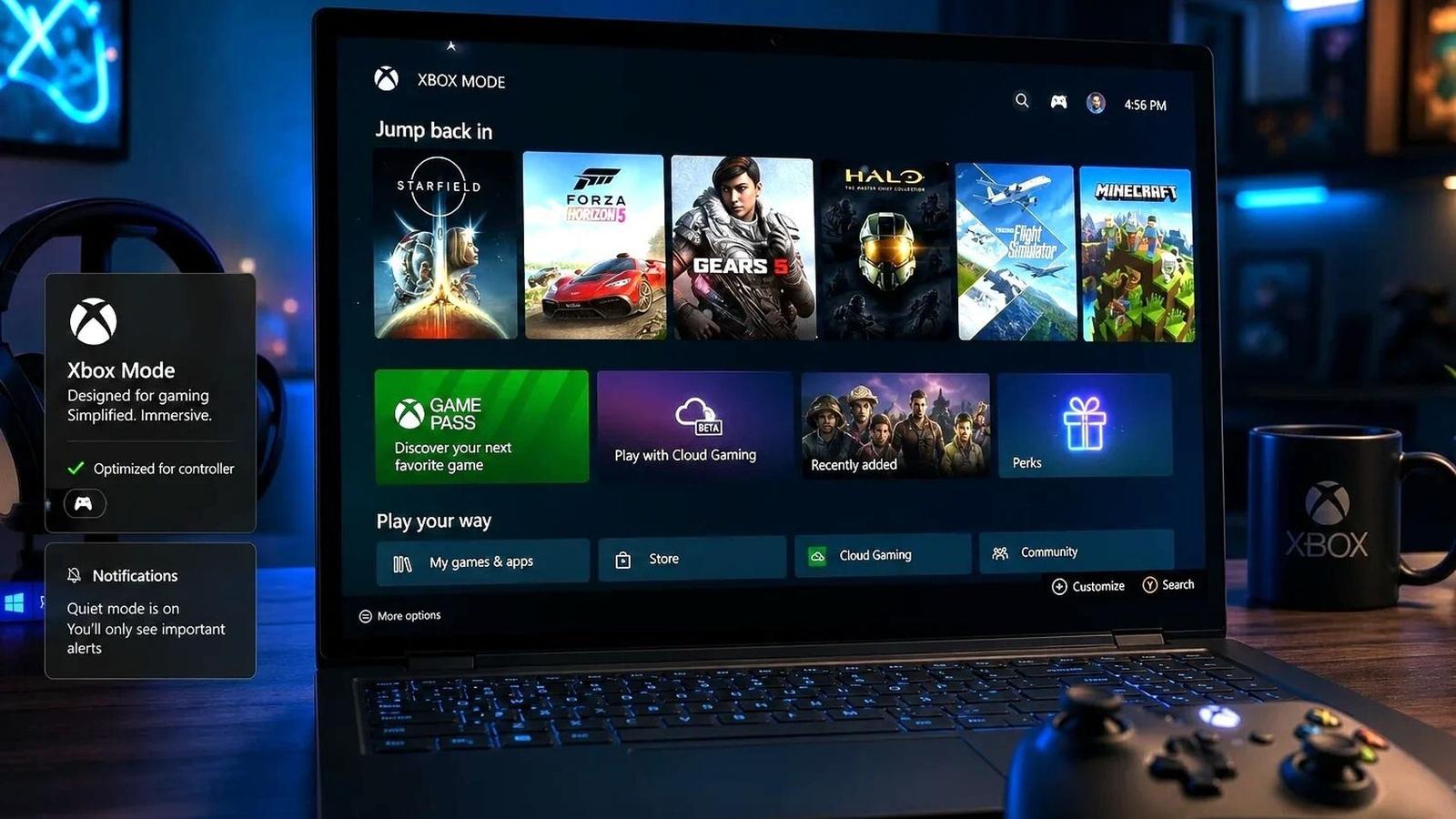
That’s right. Despite the Project Helix cloud push, the $400 price gap between the PS5 Pro ($899), Xbox Series X ($799), and Switch 2 ($499), and the rising tide of digital-first gaming, Microsoft is still betting on boxes.
So what gives?
- Nostalgia & Hardcore Gamers: Physical sales aren’t dead—they’re niche. Collectors, retro enthusiasts, and players who distrust cloud saves keep boxes alive. (See: SavePoint Gaming’s deep dive on Xbox’s physical game strategy.)
- The “Project Helix” Wildcard: Microsoft’s cloud gaming push is still a mess. Latency issues, regional restrictions, and the lack of a true “Xbox Cloud” killer app mean physical copies aren’t going anywhere fast.
- The AI Angle: If AI can cut production costs (via automated asset generation, procedural content, etc.), Microsoft might double down on physical releases—just with fewer devs needed per game.
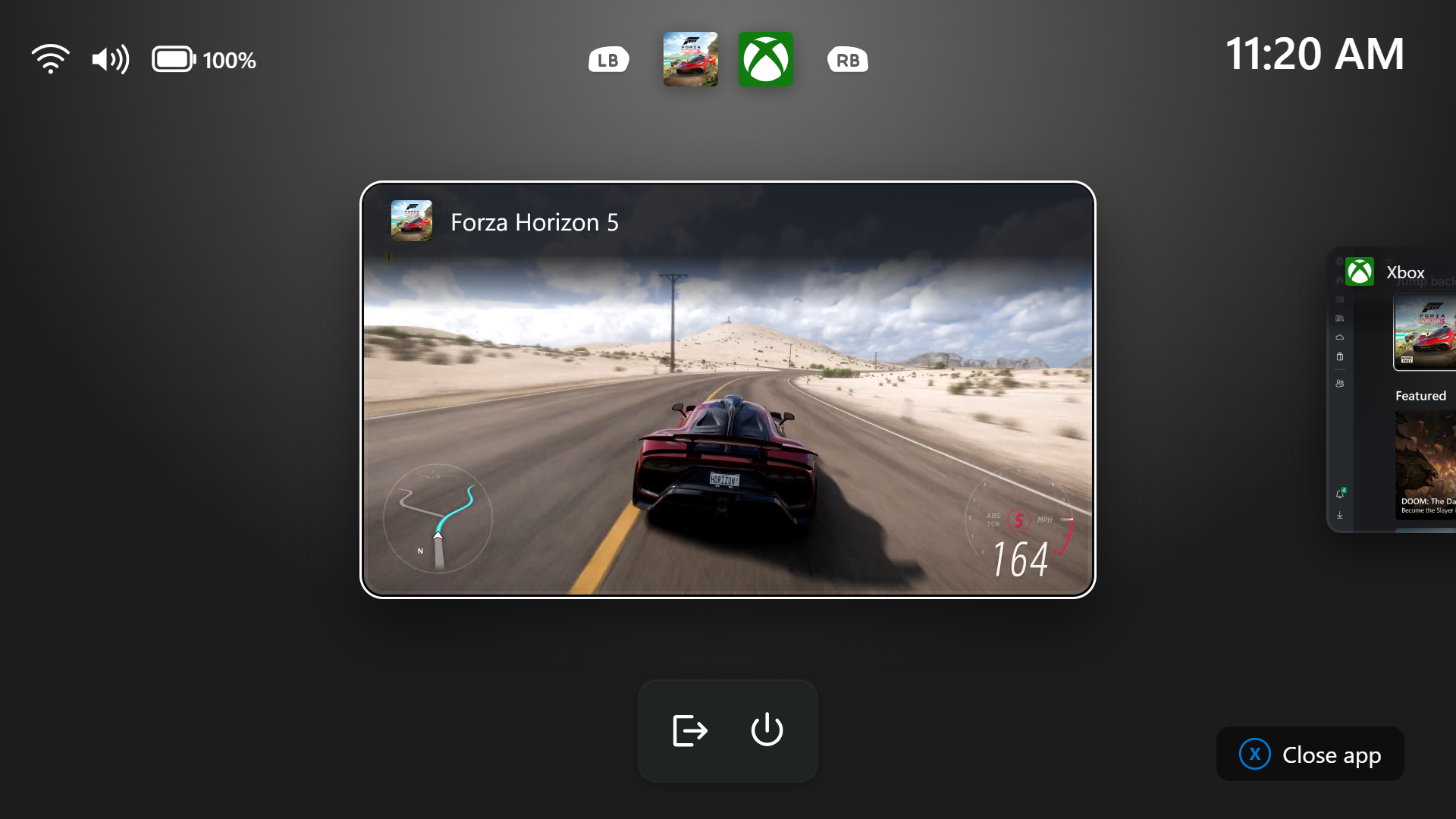
But here’s the real question: If AI is making games cheaper to produce, why isn’t Xbox slashing prices?
The answer? Because Microsoft knows what works. The PS5 Pro is $100 more expensive than the Series X, yet Sony’s exclusives still sell out instantly. Microsoft isn’t stupid—they’re betting on Game Pass as the real money-maker, not hardware.
The Dark Side of Microsoft’s AI Gambit: Ads, Cloud, and the Death of “Microsoft Gaming”
Stirrup’s revelations come at a critical moment for Xbox. Microsoft’s “Microsoft Gaming” rebrand (which lasted all of two months before being quietly buried) was supposed to signal a unified future—but now, with studio divestments, ad rumors, and cloud dependency, it’s clear: Xbox isn’t just changing. It’s being dismantled.
1. The Ad Problem (That Nobody Wants to Talk About)
You’ve probably seen the headlines:
“Microsoft is putting ads in games.”
But what you haven’t seen is how.
- Dynamic Ad Insertion: Ads that change based on your playstyle. (Example: A Halo match where your squad gets “sponsored” by a weapon manufacturer mid-game.)
- Cloud-Based Monetization: If you’re playing via Project Helix, Microsoft owns your session data—and they’re not shy about using it.
- The Game Pass Tax: With $17/month being the new standard, Microsoft needs ads to keep margins healthy. (See: Bellular’s breakdown of Microsoft’s ad strategy.)
2. The Cloud Dependency (And Why It’s a Trap)
Microsoft’s biggest gamble isn’t AI—it’s cloud gaming.
- Project Helix is years behind Sony’s PS Now and Nintendo Switch Online.
- Latency is still a nightmare for competitive titles.
- The hardware requirement? You need a fast internet connection and a decent PC—which means most Xbox players are still stuck on the Series X/S.
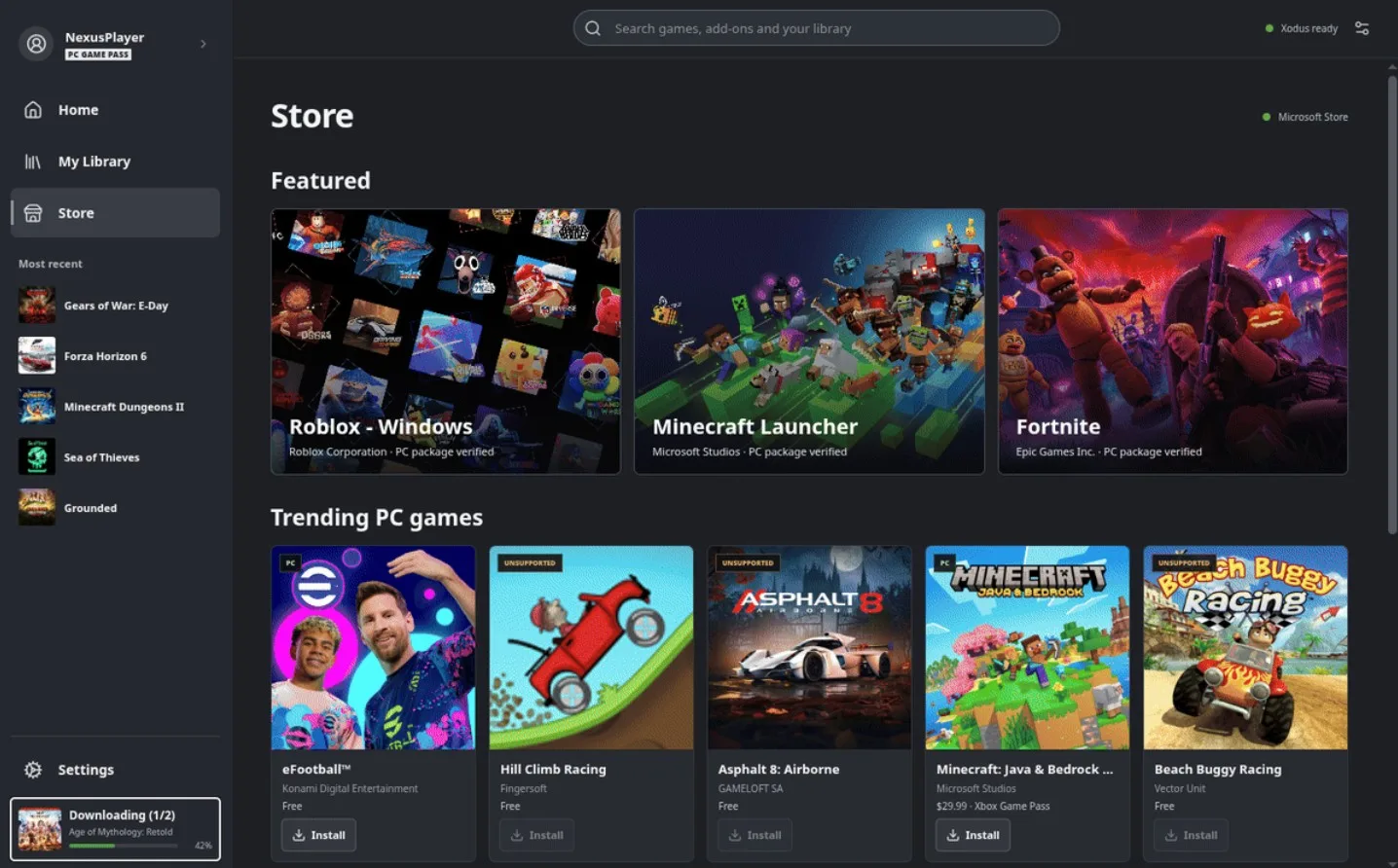
So why push it? Because Microsoft doesn’t care about Xbox. They care about Azure, ads, and subscription revenue.
3. The Death of “Microsoft Gaming” (And What Comes Next)
Remember when Microsoft merged Xbox and PC gaming under one banner?
“Microsoft Gaming” was supposed to be the future. Instead, it lasted two months before being quietly killed.
Now, we’re left with:
- Xbox (the brand) = Game Pass, cloud, and… whatever’s left.
- PC Gaming = Microsoft Store, Windows 12, and… ads.
- The Studios = A graveyard of layoffs and divestments.
The Stirrup Effect: What Happens Next?
Stirrup’s deleted account isn’t just a whistleblower’s cautionary tale—it’s a symptom of a bigger problem.
Scenario 1: Microsoft Double-Downs on AI (And Loses Players)
- More ads in games.
- Faster, cheaper dev cycles (but fewer jobs).
- Cloud gaming becomes the default (but breaks for most players).
- Result: A hollowed-out Xbox ecosystem where only Game Pass subscribers matter.
Scenario 2: Microsoft Backtracks (And Loses Devs)
- AI use is “denied” publicly, but still happens in secret.
- Physical games get a false revival (but at what cost?).
- Devs flee to Sony/Nintendo, where AI is “optional.”
- Result: Xbox becomes a niche brand for hardcore fans and collectors.
Scenario 3: The Wildcard (AI Wins, But Microsoft Doesn’t)
- AI actually improves gaming (better QA, faster iteration, more creativity).
- Microsoft doesn’t monetize it right (no ads, no forced cloud).
- Result: Xbox becomes the “cool” underdog—but only if Microsoft stops acting like a corporation and starts acting like a platform.
The Bottom Line: Xbox’s AI Moment of Truth
Brandon Stirrup didn’t just risk his job—he exposed a crisis.
Microsoft is at a crossroads:
- Do they embrace AI openly, accept the backlash, and double down on Game Pass + cloud? (Risk: Losing players to Sony/Nintendo.)
- Do they pretend AI isn’t happening, cling to physical games, and watch devs leave? (Risk: Becoming a has-been brand.)
- Do they actually listen to players, devs, and the market—rather than forcing a corporate agenda? (Risk: Losing investor confidence.)
Right now, the answer is clear: Microsoft is choosing option #1.
But here’s the thing—players don’t care about AI. They care about games. And if Microsoft keeps prioritizing ads, cloud, and cost-cutting over actual innovation, then Stirrup’s deleted account might be the least of Xbox’s problems.
What You Can Do
- If you’re a player: Speak up. Microsoft only listens when they have to.
- If you’re a dev: Start using AI—before it’s too late.
- If you’re a Microsoft shareholder: Demand answers.
Because one thing’s certain: The future of Xbox isn’t being decided by gamers. It’s being decided by corporate spreadsheets, cloud servers, and an algorithm.
And that’s not a future worth playing in.
Final Verdict: 3/10 – A Brand in Freefall
Microsoft’s AI gambit is bold, risky, and necessary—but only if they actually care about gaming. Right now? They don’t.
They care about subscriptions, ads, and cloud revenue. And until that changes, Xbox’s best days are behind it.
— ModVC Team
Further Reading & Sources
- Brandon Stirrup’s Controversial AI Confessions (Pure Xbox)
- Microsoft’s AI Model MAI-Base-2: What It Means for Gaming (THE ELEC)
- Project Helix & Physical Games: Microsoft’s Confusing Strategy (SavePoint Gaming)
- The Ad Problem: Microsoft’s Dark Plan for Xbox Games (Bellular News)
What do you think? Is Microsoft’s AI push a revolution or a betrayal? Drop your thoughts in the comments.