Microsoft’s Xbox Gambit: Why the Future of Gaming Isn’t What You Think
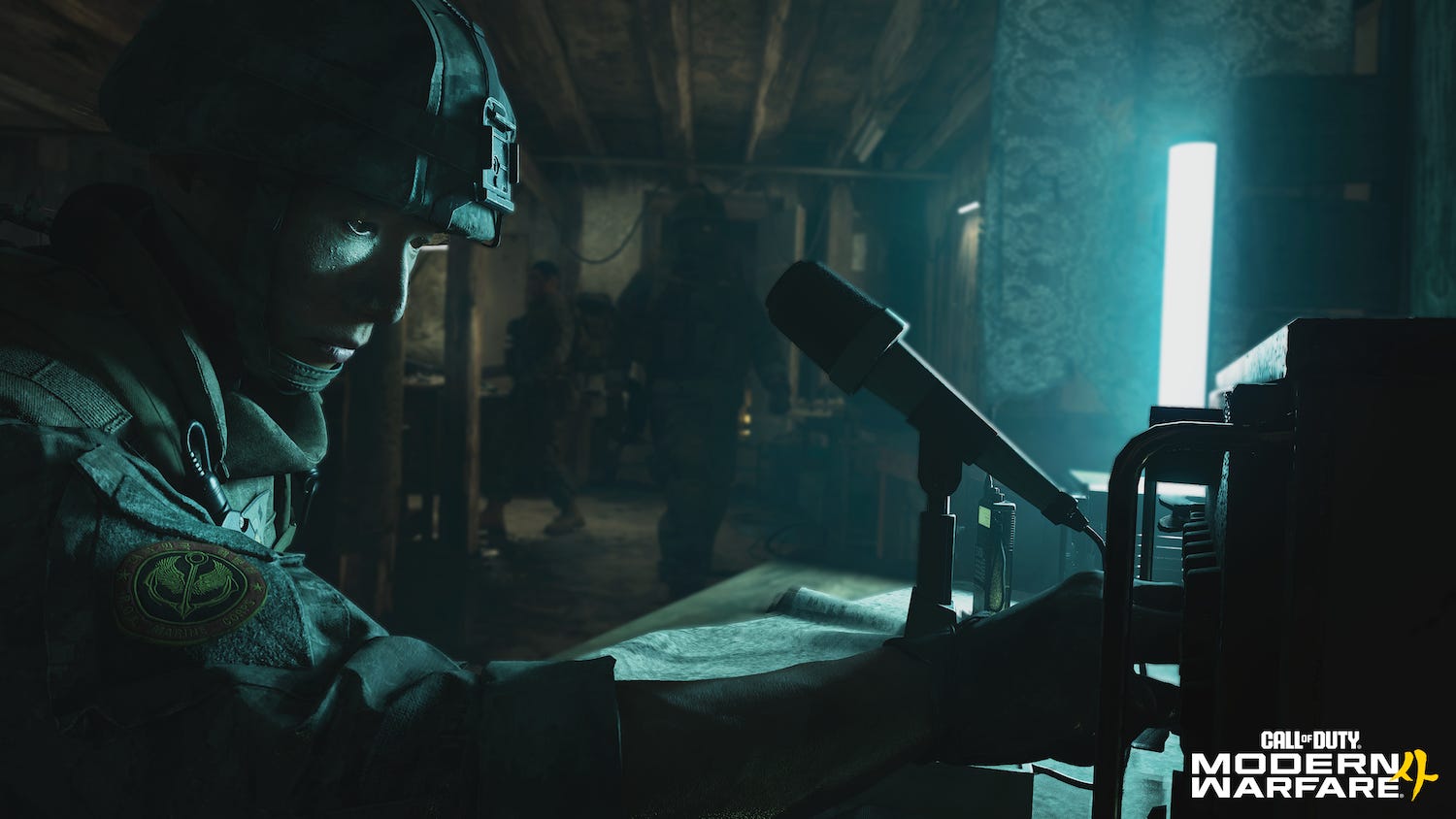
There’s a quiet revolution happening at Microsoft. While Sony quietly phases out physical media and developers boycott Xbox over exclusivity concerns, Microsoft is doing the opposite—opening new stores to sell physical copies of Starfield, Forza Horizon 5, and even Halo Infinite, while secretly polling players about making Fallout, Elder Scrolls, and Minecraft Xbox-exclusive. It’s a strategy so contradictory it’s almost deliberate.
But here’s the thing: Microsoft isn’t just doubling down on nostalgia. They’re playing a long game—one where physical sales fund Game Pass, where backwards compatibility becomes a moat, and where the real money isn’t in hardware but in control. And if the past year is any indication, they’re willing to make some very public missteps to get there.
The Physical Comeback: Why Xbox Is Selling More Discs Than Ever
In a world where Sony is killing off the PS5 disc drive and even Nintendo is scaling back physical releases, Microsoft is doing the exact opposite. Earlier this month, Xbox opened a new $49.99 “Xbox Nano” controller preorder store—but the real story isn’t the controller. It’s the physical game section they’ve quietly expanded in retail locations.

“The ownership of games and the digital transition in gaming have been heated topics. With Sony announcing their upcoming departure from physical media, Microsoft is betting big on the opposite.” — DualShockers
This isn’t just about nostalgia. It’s about Game Pass economics. Physical sales fund Game Pass, and with Starfield still outselling its digital version by a 2:1 margin, Microsoft knows there’s still money in plastic. But there’s also something else: a message to Sony and Nintendo. While other platforms are abandoning physical media, Xbox is embracing it as a competitive differentiator.
And then there’s the job listing that dropped last week—“Games Supply Strategist”—a role focused entirely on physical game distribution and logistics. Microsoft isn’t just selling discs. They’re investing in the infrastructure to make physical games a core part of their ecosystem.
The Backwards Compatibility Arms Race: Xbox’s Secret Weapon
If you thought Xbox’s backwards compatibility was impressive before, wait until you see what’s coming. While the PS5 can barely run PS2 games at full speed, Xbox’s Series X/S can play original Xbox titles (2001) with near-perfect emulation—and Microsoft isn’t stopping there.
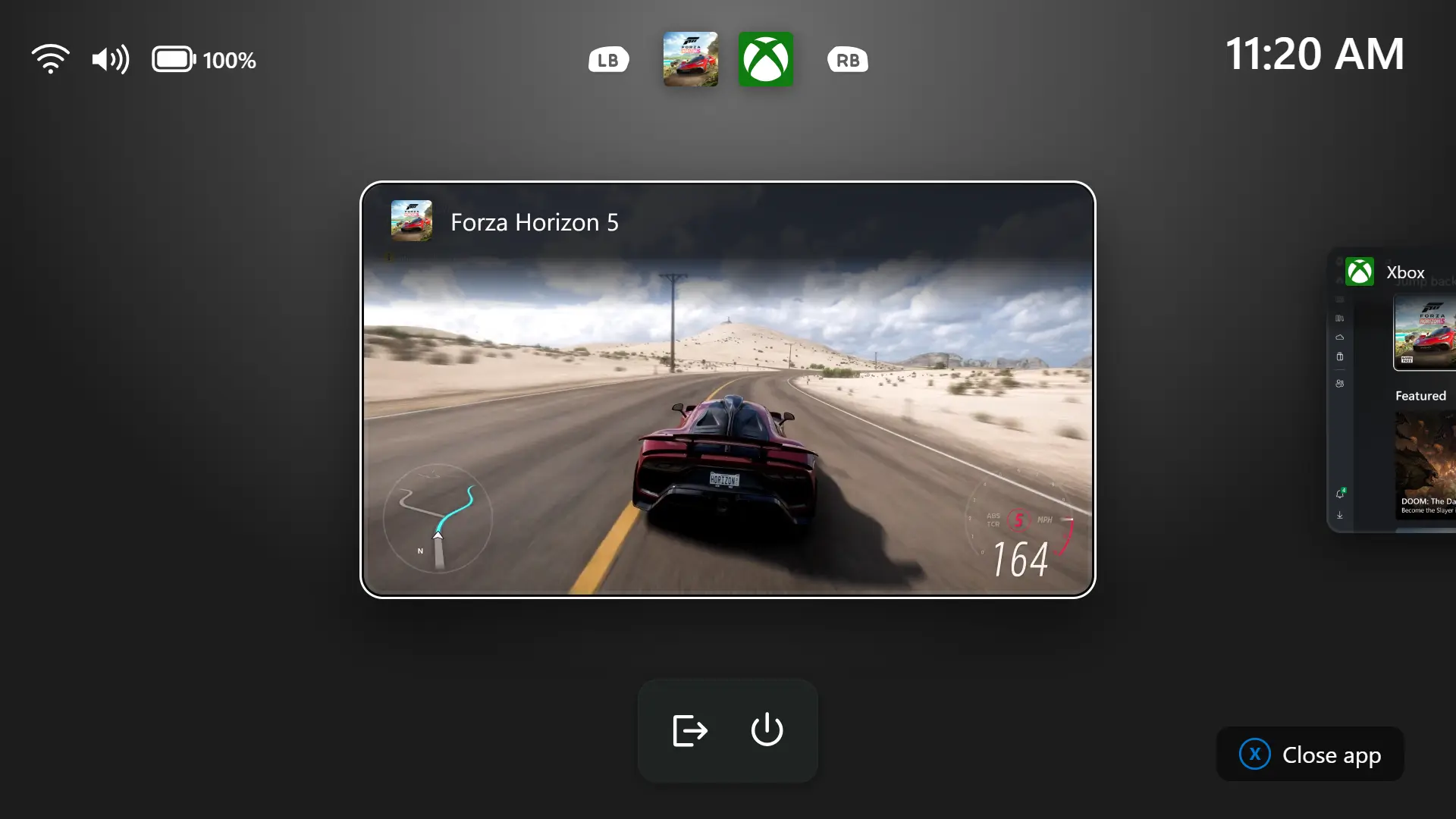
“Microsoft has put work into backwards support for games going back to the original Xbox in 2001. Sony hasn’t been able to compete there.” — BGR
But here’s the kicker: Microsoft isn’t just preserving old games—they’re making them better. Through dynamic resolution scaling, FSR 3 upscaling, and cloud-based enhancements, Xbox is turning a library of 25-year-old games into a modern powerhouse. Meanwhile, Sony’s PS5 struggles to run God of War (2018) at 4K without major tweaks.
This isn’t just about nostalgia. It’s about locking players into the ecosystem. Once you’ve spent $200 on a Series X, the idea of switching to PlayStation—or even PC—becomes a lot harder when your entire game library is optimized for Xbox. And with Game Pass now offering Battlefield 6 and Starfield as day-one additions, Microsoft is making it easier than ever to stay.
The Exclusivity Paradox: Why Microsoft Is Surveying Players on Xbox-Only Bethesda Games
Here’s where things get really interesting.
Earlier this week, Microsoft quietly surveyed Xbox players with a hypothetical question: “How would you feel if Fallout, Elder Scrolls, or Minecraft became Xbox-exclusive?” The responses were divided—some players loved the idea, others panicked. But the fact that Microsoft is even asking is telling.
“Microsoft asking if some of their Biggest franchises went fully console exclusive, as per new survey.” — Twitter, October 2026
This isn’t just about hardware sales. It’s about control. Bethesda’s games are the crown jewels of Xbox Game Studios, and by making them console-exclusive, Microsoft could force players into Game Pass—where they’d have no choice but to subscribe to access Skyrim, Fallout, or Minecraft.
But there’s a huge risk: developer backlash. Just last week, an acclaimed 2026 game (Metacritic 91)—rumored to be a GOTY contender—refused to launch on Xbox entirely as a boycott against Microsoft’s exclusivity policies. If Bethesda pushes too hard, more studios might follow.
The Game Pass Paradox: Why Microsoft’s Best Move Might Be Their Worst
Game Pass is the most successful gaming subscription service ever—but it’s also Microsoft’s biggest liability.
On one hand, it’s a goldmine. With over 35 million subscribers, it’s adding Battlefield 6 and Starfield at launch, and it’s the only reason Xbox isn’t hemorrhaging money. On the other hand, it’s a double-edged sword.
- Players love it—but only if they get enough value. If Microsoft starts locking down exclusives, subscribers might churn out in protest.
- Developers hate it—because it devalues their games. If Fallout is only on Xbox, why would a studio ever make a PC version again?
- Microsoft’s own first-party teams are caught in the middle. If Halo and Forza are Game Pass exclusives, will players still buy physical copies?
The answer? No one knows.
The Wildcard: Xbox Ally, MaPC, and the Future of Cross-Platform Gaming
While Microsoft is fighting for console dominance, they’re also quietly expanding into PC and beyond.
- Xbox Ally (the $299 Steam Deck killer) launched last month, and ASUS ROG just announced a high-end “Ally X” version—meaning Microsoft is seriously betting on handheld gaming.
- MaPC, a free Windows emulator for Mac, just dropped, letting Apple Silicon Macs run Xbox games natively—for free. (Yes, really.)
- And then there’s XPSemu, a modified PS5 emulator that now runs original Xbox games at 96% coverage.
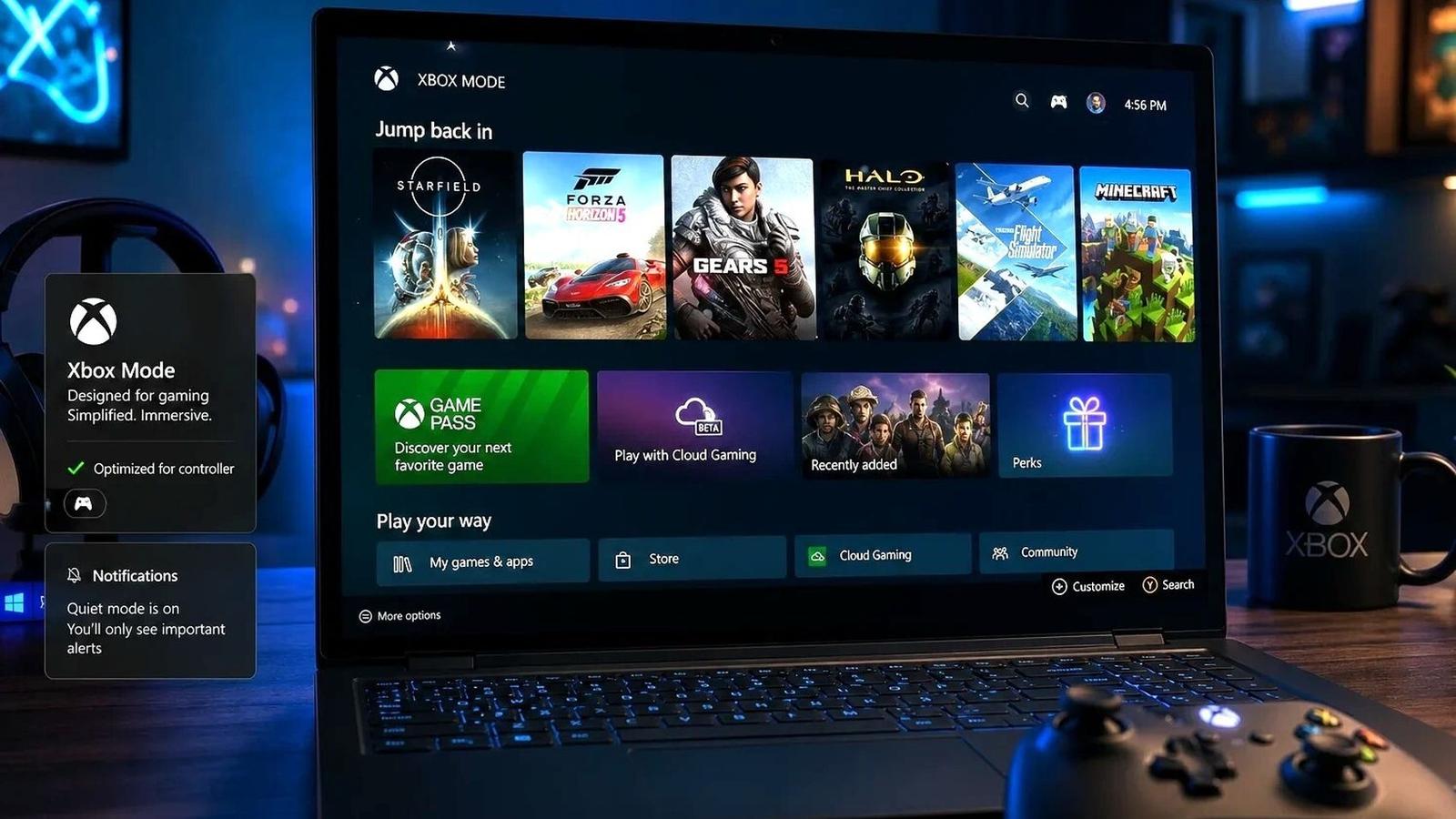
“A modified PlayStation 5 is now running original Xbox games natively, a Windows-application layer for the console is in active development.” — Tech-Insider.org
This is Microsoft’s hedge. While they’re pushing Xbox as a premium console experience, they’re also making sure their games run everywhere—just not necessarily at the same time.
The Verdict: Is Microsoft Winning or Losing?
Here’s the uncomfortable truth: Microsoft is doing a lot of things right—and a lot of things wrong.
What They’re Doing Right
✅ Game Pass is still the best value in gaming—and adding Battlefield 6 at launch is a masterstroke.
✅ Backwards compatibility is their secret weapon—no other console can touch Xbox’s library.
✅ Physical media isn’t dead—and Microsoft is profiting from it while others abandon it.
✅ They’re expanding into new markets—from handhelds (Ally) to Mac emulation (MaPC).
What They’re Doing Wrong
❌ Exclusivity is a double-edged sword—players love choice, and studios hate being locked into one platform.
❌ They keep making bold moves that backfire—remember when they removed Clair-obscur from Game Pass right before a major update? Players still haven’t forgiven them.
❌ The “Microsoft Gaming” brand is dead—as Bellular News pointed out, Microsoft’s corporate bloat is making Xbox feel less like a gaming company and more like a Windows division.
The Big Question: Are They Playing the Long Game?
The answer? Yes.
Microsoft isn’t trying to win in 2026. They’re trying to win in 2030. They’re building a moat—one where:
- Game Pass is the only way to play their biggest franchises.
- Backwards compatibility locks players in.
- Physical media keeps the ecosystem alive.
- Cross-platform emulation ensures their games run somewhere—just not always on the best terms.
But here’s the real kicker: They might not need to win.
Because if Sony keeps abandoning physical media, if Nintendo keeps struggling with exclusives, and if PC gaming keeps fragmenting—Microsoft might just let the market sort itself out. And by 2030?
They’ll be the last platform standing.
Final Thoughts: Should You Care?
If you’re an Xbox player, this is both good and bad news.
- Good? You get more games, better backwards compatibility, and a subscription service that keeps improving.
- Bad? Microsoft’s exclusivity gambits could piss off developers—and if enough studios boycott Xbox, your library might shrink faster than you think.
If you’re a PC gamer, you should pay attention. Microsoft’s emulation tech (MaPC, XPSemu) means your games might run on Xbox someday—but not the other way around.
And if you’re a developer? Watch your back. Microsoft’s survey on Bethesda exclusives is a warning shot. The next big announcement could be Fallout going Xbox-only—and if that happens, expect a backlash.
One thing’s for sure: Microsoft isn’t playing by the old rules anymore. And if they keep this up?
By 2030, we might all be playing their way.
What Do You Think?
Is Microsoft’s strategy brilliant or desperate? Should Bethesda games go Xbox-exclusive? And most importantly—do you still trust Microsoft with your gaming future?
Drop your thoughts in the comments. And if you found this breakdown useful, share it with a friend who still thinks Xbox is just a Windows accessory.
Further Reading
- Battlefield 6 Joins Xbox Game Pass (CNET)
- PS5 Emulator Runs Xbox Games at 96% Coverage (Tech-Insider)
- Xbox Doubles Down on Physical Media (DualShockers)
- MaPC: Free Windows Emulation for Mac (Kursiv Media)
- Why Xbox Backwards Compatibility Beats PS5 (BGR)
Watch the Drama Unfold
- “And Now Microsoft Just Ruined Xbox” (SAMTIME)
- “‘Microsoft Gaming’ Is Officially Dead” (Bellular News)
- “Xbox Dropped a BOMBSHELL” (Gameranx)