Valve’s Broken Metrics: Why Overwatch 2’s Steam Revival Is a Mirage
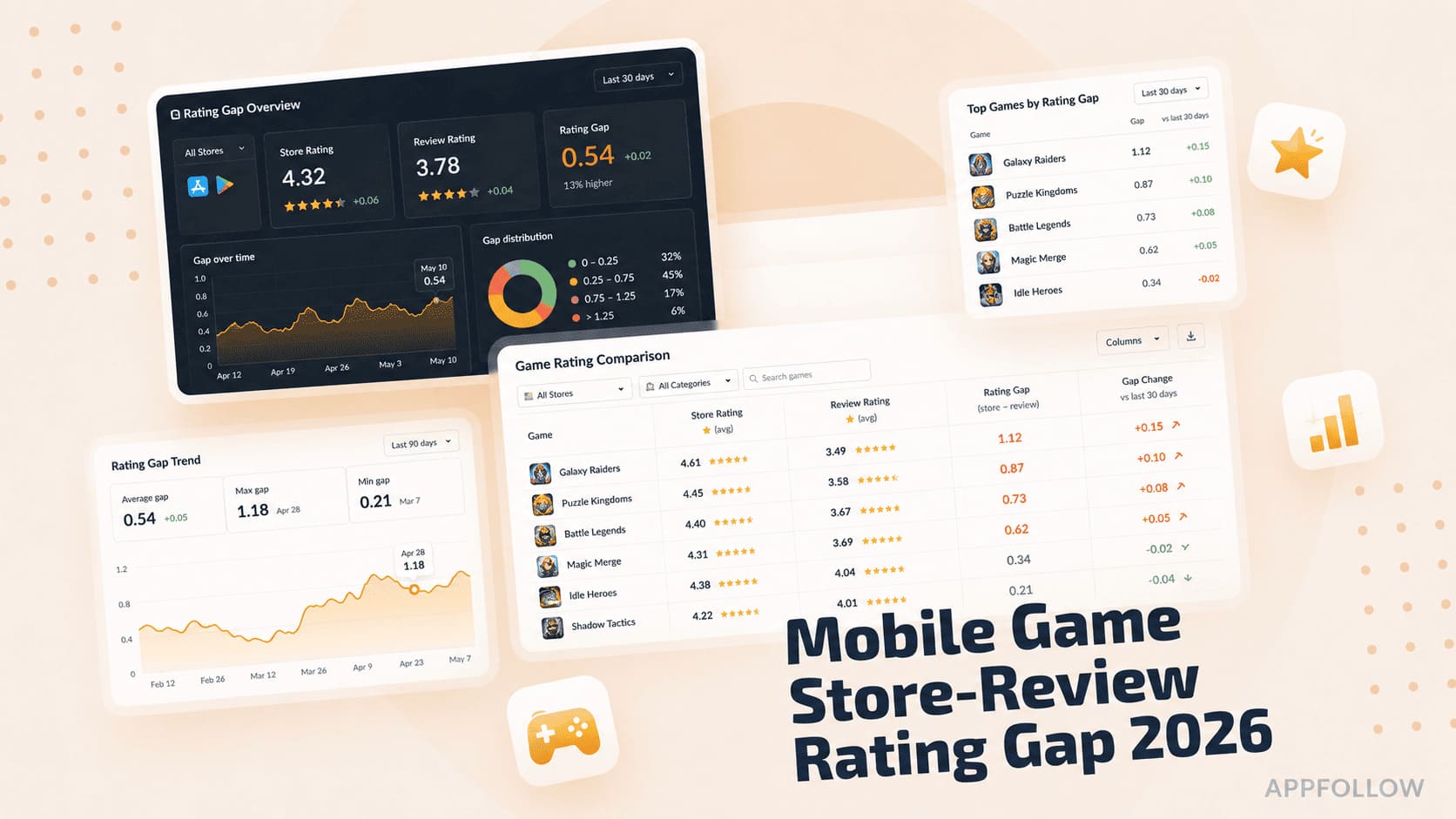
Steam reviews are a game of perception—until they’re not.
In the annals of gaming’s most humiliating digital scorecards, few moments stand out like Overwatch 2’s 2023 Steam listing, where the once-beloved hero shooter became the lowest-rated game on Valve’s platform—a title it held for a staggering 11 days before Blizzard quietly overhauled the game’s monetization. Fast-forward to July 2026, and the tide has seemingly turned. Overwatch 2 has clawed its way out of the ‘Mostly Negative’ abyss, trading in the dreaded red label for a neutral ‘Mixed’ rating. To fans who weathered those dark years, it’s nothing short of a miracle. To skeptics? A case study in Steam’s rating system’s glaring flaws.
This isn’t just a story about a game reclaiming its reputation. It’s a story about how broken Steam reviews really are—and why Overwatch 2’s redemption arc might be the most telling example yet.
The Steam Review Paradox: Quality vs. Quantity
Steam reviews are supposed to be a democratic snapshot of a game’s reception, a quick way for players to gauge whether a title is worth their time and money. But what happens when that system is gamed by bots, disgruntled fans, or even boredom-driven review bombs? Overwatch 2’s journey from ‘Mostly Negative’ to ‘Mixed’ offers a masterclass in how Steam’s algorithm can distort reality.
The Rise and Fall (and Rise Again) of Overwatch 2
| Year | Rating | Context |
|----------|------------|-------------|
| 2021 | ‘Mostly Positive’ | Honeymoon phase post-launch with live-service energy. |
| 2022 | ‘Positive’ | First major expansion, Wrath of the Storm arrives. |
| Early 2023 | ‘Very Positive’ | Peak player count, esports integration. |
| Mid-2023 | ‘Mostly Negative’ | P2W accusations, monetization overhaul, player exodus. |
| 2026 | ‘Mixed’ | Free-to-play pivot, fresh content drops, Storm Rising expansion. |
Source: GamesRadar+
Blizzard’s response to the backlash was textbook corporate damage control: they removed the loot box system, doubled down on the free-to-play model, and pushed Storm Rising as a redemption arc. And it worked—sort of. The ‘Mixed’ rating isn’t a triumphant return to glory; it’s a cautious truce between Blizzard’s PR team and the vocal masses who either never left or couldn’t be bothered anymore.
"We never thought we’d enjoy Blizzard’s shooter again." — Overwatch 2 player, 2026
The sentiment is telling. Steam reviews aren’t just about the game anymore—they’re about the perception of how a company responded to criticism. And in Overwatch 2’s case, Blizzard’s pivot from predatory monetization to ‘we hear you’ was enough to shift the needle, even if the underlying issues (like balance and content droughts) persist.
The New Game Rating Systems: Are They Any Better?
Valve’s Steam ratings aren’t the only ones under scrutiny. Around the world, new rating systems are emerging, each with its own quirks—and its own potential to mislead players.
Indonesia’s IGRS: A Regulatory Revolution (Or a Mess?)

In June 2026, Indonesia launched the Indonesian Game Rating System (IGRS), a government-mandated classification that replaces Steam’s community-driven model with official age ratings (3+, 7+, 13+, 18+). The goal? To protect children from inappropriate content—a noble cause, but one that’s already sparking chaos among indie developers and players alike.
The Problem: Unlike Steam’s post-purchase reviews, IGRS pre-approves games before they hit the store, meaning a game could be banned or censored based on a single bureaucrat’s interpretation of ‘mature themes.’ Indie devs—especially those making narrative-driven or experimental games—are scrambling to comply, with some reporting unexpected ratings that don’t match their content.
Developers Speak Up:
"We got an 18+ rating for a game that’s barely even violent. It’s like they reviewed our Steam page thumbnail instead of the actual game." — Anonymous indie dev, via Reddit
Steam’s response? A toggle in settings to display games with IGRS ratings, but the damage is done. Players are confused. Devs are frustrated. And the government’s heart may be in the right place, but the execution feels like a bureaucratic nightmare.
Xbox Game Pass: The New Review Goldmine
While Steam battles its demons, Microsoft’s Xbox Game Pass is quietly becoming the go-to platform for first-party ratings. The latest day-one addition, Winds of Arcana: Ruination, dropped this month—and the reviews? A mixed bag, but telling.

What the Numbers Say
| Rating Source | Score | Consensus |
|-------------------|-----------|---------------|
| Metacritic | 72/100 | "A flawed but ambitious roguelike with stunning visuals." |
| OpenCritic | 70% Recommended | "Stunning, but repetitive after 20 hours." |
| Xbox Achievements | 8/10 (User) | "Beautiful world, but the combat feels weightless." |
Source: Pure Xbox
What’s fascinating here isn’t the score—it’s where the reviews are pulling from. Game Pass titles are getting real-time player feedback in a way Steam’s algorithm can’t replicate. Achievement completion rates, in-game exit surveys, and even Microsoft’s own telemetry are shaping the narrative before critics even weigh in.
The Takeaway: If you want honest, immediate reactions to a game, Xbox Game Pass is becoming the new frontier. But with Microsoft’s push for exclusivity and cloud gaming, are we trading Valve’s chaos for Microsoft’s curated echo chamber?
Poppy Playtime: Chapter 5 – A Case Study in Player Fatigue

Mobile Legends developer Mob Entertainment has seen its fair share of successes—Call of Dragons, Toram Online—but none have been as divisive as Poppy Playtime. The horror series, which started as a love letter to Five Nights at Freddy’s on mobile, has since expanded to PC, leaving players torn between nostalgia and exhaustion.
The Good
- Visual Horror: The art style remains uniquely unsettling, with a VHS-filtered aesthetic that oozes 90s creepypasta energy.
- Narrative Twists: Each chapter introduces new lore twists, keeping fans engaged even when the gameplay loops feel familiar.
- Price Point: At $9.99 per chapter, it’s cheaper than a full AAA game—if you’re patient enough to wait for sales.
The Bad
- Repetitive Gameplay: The ‘escape the room’ formula is wearing thin after five entries.
- Paywall Frustration: The new ‘hard mode’ is locked behind a $20 expansion, testing players’ patience.
- ESRB Rating Drama: Still M-rated for Violence and Horror, despite the PG-13 aesthetics of its mobile roots.
Full Review: Gaming Age
The Verdict? Poppy Playtime: Chapter 5 isn’t a bad game—it’s a tired one. It’s the gaming equivalent of a fast-food burger: you know it’s not gourmet, but sometimes you just crave that greasy, familiar taste. The question is, how long before the audience moves on for good?
The Future of Game Ratings: Less Steam, More Nuance
So where does this leave us? Steam’s reviews are still the loudest voice in gaming, but they’re increasingly unreliable. New systems like IGRS offer regulation without flexibility, while Xbox Game Pass suggests a future where player data—not critic scores—drives discovery.
What Gamers Should Watch For
✅ Steam’s AI Moderation: Valve is testing new review filters to combat review bombs and fake reviews. Will it work?
✅ IGRS Backlash: If indie devs revolt, expect petitions, lawsuits, or even Steam adding regional rating toggles.
✅ Game Pass’s Rise: Microsoft’s user-review integration could become the new standard for early access titles.
The Bottom Line
Ratings matter, but they shouldn’t be the be-all and end-all. Overwatch 2’s redemption arc proves that a game can recover from a death sentence—but only if the player base wants it to. Meanwhile, new systems like IGRS show that regulation without context is just another form of censorship.
The best way to judge a game? Play it yourself. Read multiple sources. And don’t trust a single score—no matter where it’s coming from.
🎮 More Games to Watch in July 2026
If you’re tired of the rating wars and just want great games to play, here’s what’s heating up this month:
🔥 College Football 27 – Early access is live, and Texas QB Colin Simmons is a 95 OVR legend. Source: On3
🔥 Moonlight Peaks – A narrative-driven horror game with stunning pixel-art visuals. Still waiting for PC reviews, but the screenshots are drool-worthy.
🔥 Winds of Arcana: Ruination – Now on Xbox Game Pass. If you love roguelikes with beautiful art, this might be your jam.
Final Thoughts: Ratings Are Broken. Now What?
Steam’s review system, Indonesia’s IGRS, Xbox Game Pass’s curated chaos—the way we measure games is in flux, and that’s not a bad thing. Overwatch 2’s story is a reminder that games can recover from the brink, but it’s also a warning that player sentiment is a fickle beast.
For developers? Listen to feedback, but don’t be held hostage by review bombs.
For gamers? Diversify your sources. Read player telemetry data. Watch real playthroughs. And most importantly—form your own opinions.
Because at the end of the day, a ‘Mixed’ rating on Steam doesn’t tell you if a game is good. It only tells you what other players thought—at a very specific moment in time.
And sometimes? That’s just not enough.
📌 Want More Gaming Insights?
Check out these deep dives:
- 20 BEST Games of 2026 (So Far) – gameranx’s mid-year roundup
- The 63 Biggest 2026 Games Still to Come – IGN’s must-watch list (includes GTA 6, Wolverine, and more)
- Top 20 NEW Games of 2026 (Second Half) – gameranx’s hype reel for the rest of the year
Got a game you’re hyped about—or one you think is overrated? Sound off in the comments. We’re listening.