The JRPG Renaissance: How 2026 Could Rewrite the Rulebook (Or Burn It Down)
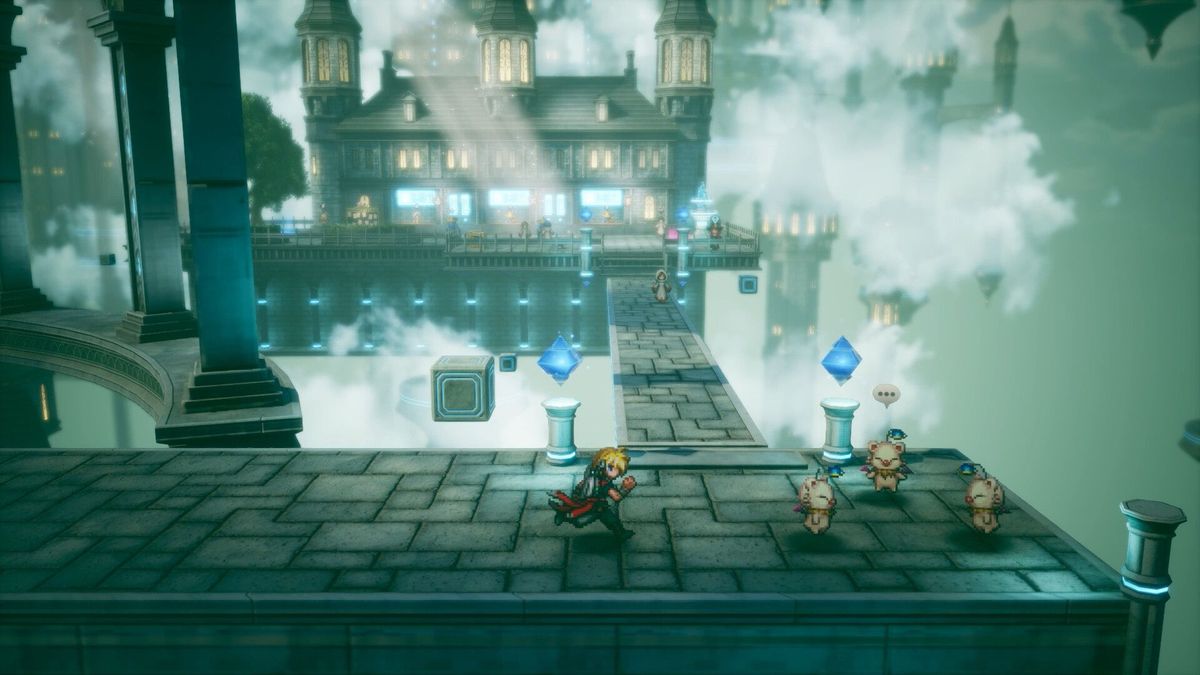
JRPGs aren’t just back—they’re on fire. But not the kind of fire you’d expect from a genre that’s spent the last decade either resting on laurels or chasing trends with varying degrees of success. No, this is the kind of fire stoked by ambition, plagued by sacrifices, and ignited by the ghosts of old battles. We’re talking about the kind of fire that melts egos, rewrites history, and occasionally leaves us all staring at a burned-down studio wondering, What the hell just happened?
Take a step back and look at the landscape of 2026. It’s a minefield of "what ifs," "near misses," and "oh God, we actually did that?" moments—all swirling around the JRPG genre like a tempest. We’ve got Final Fantasy pulling its team in a dozen directions, Kingdom Hearts and its starry-eyed Disney dreams stealing the very architects meant to build FFX, and Dragon Quest standing off-stage like a silent titan, waiting for its moment to remind everyone who actually owns the throne. And that’s before we even talk about the indie revolution, the Switch 2 hype, and the question no one’s asking loudly enough: Are we overdoing it?
A Kingdom Divided: When Kingdom Hearts Stole FFX’s Soul
Yoshinori Kitase, the legendary producer behind Final Fantasy VII Advent Children and Devil May Cry, recently spilled some tea that tastes a lot like betrayal to FFX fans. Speaking to GamesRadar+, Kitase revealed just how much Kingdom Hearts derailed the development of Final Fantasy X.
“Tetsuya Nomura and I worked on FF7 and FF8 together, but then he was assigned to Kingdom Hearts. It made assembling the team for Final Fantasy 10 difficult. We had to reshuffle roles constantly. It wasn’t just Nomura—so many talented people were pulled into Disney’s orbit.”
It’s a brutal reminder that JRPGs aren’t just games—they’re people, and those people have dreams, allegiances, and sometimes, a mouse-shaped siren song calling their names. Kingdom Hearts isn’t just a cash grab or a passion project—it’s a cultural force that’s reshaped Square Enix’s identity. But at what cost?

Kitase’s words aren’t just gossip—they’re a symptom of a larger disease. JRPG studios are stretched thin. Final Fantasy XIV’s directors are pulled between patches, expansions, and the looming specter of mobile spin-offs. Kingdom Hearts isn’t just a side project anymore—it’s a priority. And somewhere in the back of a Tokyo office, a team that was supposed to finish FFX is now staring at a hollowed-out shell of what it was meant to be.
What does this mean for Final Fantasy X? Nothing. The game exists. It’s a masterpiece. But the process behind it? That’s a cautionary tale.
The Devastation of "What If"
Here’s another bombshell: Final Fantasy IV was nearly canceled entirely. Not because it was bad. Not because the team lost faith. But because Square Enix wanted to beat Dragon Quest in sales.
Takashi Tokita, a key figure in the original FFIV’s development, told GamesRadar+:
“Game development was certainly changing, but the way games were being promoted was changing as well. We needed something big. Dragon Quest was dominating, so we had to pivot or get left behind. It was a calculated risk—and in the end, it worked.”
Think about that for a second. Final Fantasy IV, one of the most influential RPGs of all time, almost didn’t happen. The reason? A rival developer’s shadow. It’s a brutal truth that echoes through every JRPG studio today: You’re either #1, or you’re irrelevant.
And yet… Dragon Quest still stands. It’s a reminder that some legends don’t play by the rules.
2026: The Year the JRPG Genie Escaped the Bottle

Strap in, because 2026 is shaping up to be the most chaotic year for JRPGs in decades. We’re not talking about sequels or remasters. We’re talking about reinvention.
The Switch 2 Effect: A New Home for Old Dreams
The Nintendo Switch 2 is finally here, and with it comes a flood of JRPGs that were either too ambitious, too niche, or too weird for the original Switch. Let’s break it down:
| Game | Studio | Why It Matters | Expected Release |
|----------|-----------|-------------------|----------------------|
| Final Fantasy VII Rebirth | Square Enix | The middle child of FF7’s triptych—will it justify the hype? | March 2026 |
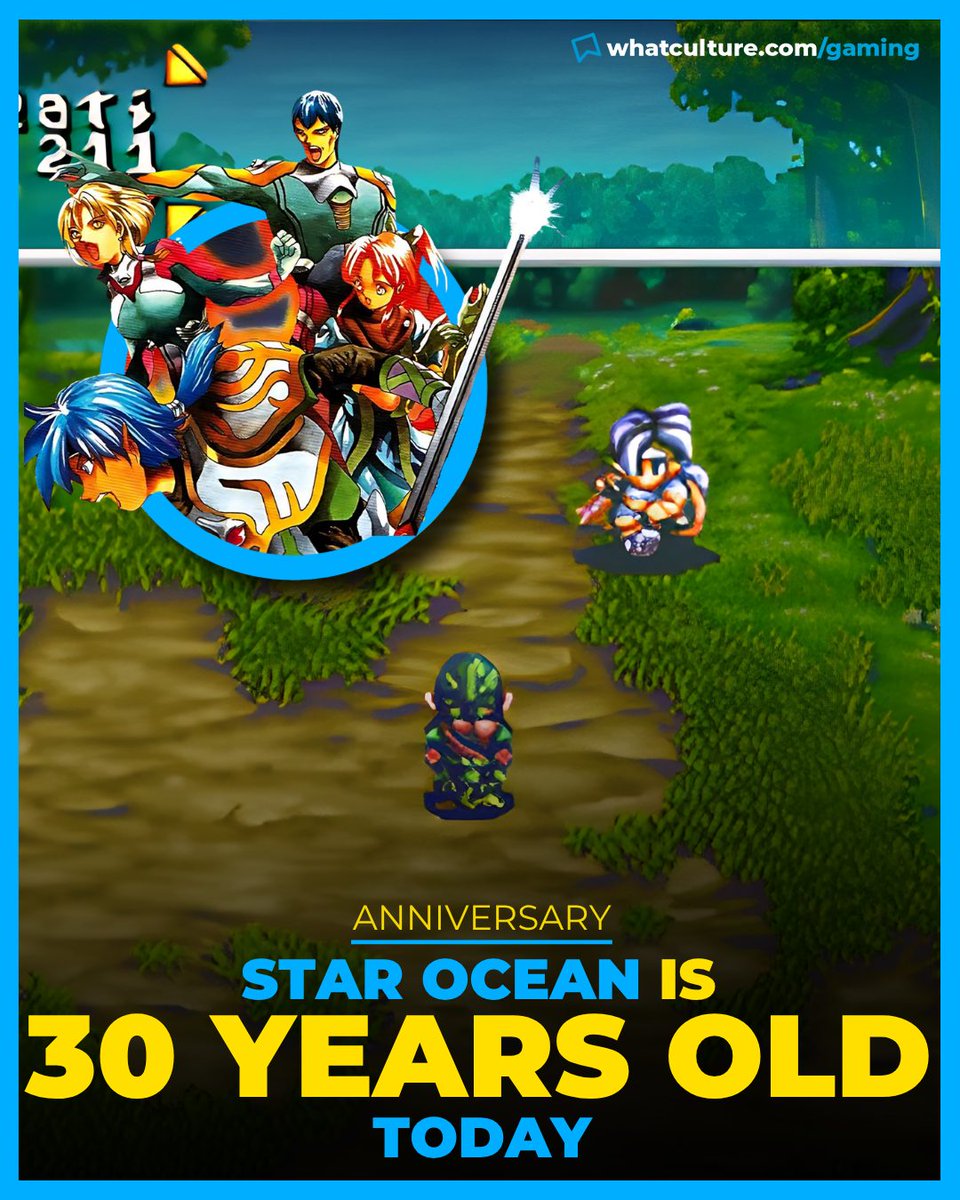
| Star Ocean: First Departure R | tri-Ace/Triple-I | A love letter to 2000s JRPGs with modern polish | June 2026 |
| Dragon Quest VII: Fragments of the Forgotten Past HD | Square Enix/ArtePiazza | A chance to revisit a cult classic with Switch 2 power | July 2026 |
| Xenoblade Chronicles 4 | Monolith Soft/Nintendo | The end of the Yggdrasil saga—will it stick the landing? | September 2026 |
| Octopath Traveler III | Square Enix/acquire | The final chapter of the HD-2D trilogy—will it rise above the hype? | November 2026 |
Watch our breakdown of the top 20 upcoming JRPGs for Switch 2 here.
The Switch 2 isn’t just a hardware upgrade—it’s a permission slip. Square Enix can finally push Final Fantasy XVI’s visual fidelity without sacrificing framerate. tri-Ace can dust off Star Ocean’s private action system and let players truly shape their party dynamics. Monolith Soft can go full open-world without worrying about frame drops.
But here’s the kicker: The Switch 2’s success depends entirely on one thing—Square Enix’s ability to not drop the ball. After FFXVI’s mixed reception (critically acclaimed, but divisive in its narrative choices), the weight on FFVII Rebirth’s shoulders is immense.
The Indie JRPG Boom: Where Passion Meets Madness
Steam is drowning in indie JRPGs right now. And not the bad kind—the good kind. Games like Moonlight Blade, Omori (no, seriously—it’s a JRPG at heart), and OneShot are proving that the genre’s DNA is alive and well outside the boardrooms of Tokyo.
- Why it’s working: Indie JRPGs thrive on creativity, not corporate mandates. They take risks. They fail gloriously. They succeed in ways AAA can’t.
- The catch: Distribution is a nightmare. Algorithms bury great games under Genshin Impact clones. But for every OneShot, there’s a Sea of Stars—a Kickstarter-funded masterpiece that went from unknown to household name.
The Open-World JRPG Trap: Are We Chasing Trends or Soul?
The biggest buzzword in JRPGs right now? Open-world.
Tales of Arise made it work. Final Fantasy XVI tried and sort of succeeded. Xenoblade Chronicles 3 blended open spaces with traditional JRPG design elegantly.
But here’s the thing: Open-world in JRPGs isn’t a feature—it’s a compromise.
- Pros: Freedom. Exploration. The illusion of choice.
- Cons: Grind. Repetitive side quests. The soul of the story drowned in fetch quests and collectibles.
Square Enix’s The DioField Chronicle experimented with open-world but felt empty. Stranger of Paradise: Final Fantasy Origin tried to blend it with action RPG mechanics and came up short.
The question isn’t can JRPGs do open-world—it’s should they?
The JRPG Identity Crisis: When the Rules Don’t Apply
Here’s a dirty little secret: JRPGs are terrible at open-world design. Western RPGs thrive on player agency and organic storytelling. JRPGs thrive on linear narratives and scripted emotions.
When you force a JRPG into an open-world sandbox, you get:
✅ Freedom (in theory)
❌ Bland environments (because artists are stretched thin)
✅ Side content that feels meaningful (if you’re lucky)
❌ A bloated 100-hour slog (if you’re unlucky)
Tales of Arise worked because it controlled the open-world experience. It gave you illusions of freedom while keeping the story tight. Final Fantasy XVI’s open areas felt wasted—beautiful, but empty.
So what’s the solution?
Either:
- Go full sandbox and commit (see: Elden Ring
- Keep it linear and lean into what JRPGs do best (see: Persona 5 Royal
- Hybridize (see: Xenoblade Chronicles 3
The Dragon Quest Problem: Waiting for Godot (But He Never Comes)
Let’s be real: Dragon Quest is the JRPG’s silent ruler. It doesn’t need annual entries. It doesn’t need gimmicks. It just exists, a monolith of tradition and quality.
And yet…
Where is Dragon Quest XI HD-2D? Where is Dragon Quest XII? The leaks suggest a 2027 entry, but after FFXIV’s dominance and FFVII Rebirth’s hype train, is Dragon Quest starting to feel… irrelevant?
Not in sales. Never in sales. But in cultural impact? Absolutely.
Square Enix is playing a dangerous game—overcommitting to Final Fantasy at the expense of its other IPs. And while Dragon Quest sleeps, Dragon Quest Monsters, Dragon Quest Builders, and Dragon Quest Tact are keeping the flame alive.
The lesson?
Dragon Quest proves that a JRPG doesn’t need to chase trends to be great. Sometimes, the best games are the ones that ignore the noise.
The Future of JRPGs: Burn the Rulebook or Burn the Studio?
We’re at a crossroads. The JRPG genre is either:
- On the verge of a renaissance—where indie creativity, Switch 2 power, and bold risks redefine what a JRPG can be.
- Collapsing under its own weight—where AAA studios chase trends, overcommit, and leave behind a trail of half-finished dreams.
Here’s what needs to happen for option #1 to win:
Square Enix Needs to Make a Choice
- Stop overloading teams. FFXIV, FFVII Rebirth, and Kingdom Hearts IV cannot be developed simultaneously without someone breaking.
- Rediscover what made Final Fantasy great. The series thrived when it took risks (FFVI’s opera, FFVII’s cinematic storytelling). Now? It’s playing it safe.
- Let Dragon Quest breathe. Square Enix owns both franchises—let Dragon Quest be Dragon Quest. No gimmicks. No crossovers. Just quality.
Indie Devs Need to Keep Pushing Boundaries
- Experiment with mechanics. OneShot’s fourth-wall-breaking storytelling. Omori’s psychological horror. Moonlight Blade’s flexible combat.
- Build communities. Crowdfunding works—see Sea of Stars and The Banner Saga. But it requires transparency and passion.
- Ignore the algorithms. Steam is a graveyard for great games buried under Genshin Impact clones. The only way out? Word of mouth.
Fans Need to Demand More Than Hype
- Stop chasing "AAA polish." Not every JRPG needs 60 FPS and 4K textures. Some games (Persona 4 Golden, Undertale) are great because they embrace their limitations.
- Support the weird. The most interesting JRPGs aren’t always the ones with the biggest budgets. They’re the ones that dare to be different.
- Hold studios accountable. If a game is overpromising and underdelivering (Final Fantasy XVI’s story, Stranger of Paradise’s pacing), say so. Loudly.
Final Verdict: 2026 Could Be the Best (or Worst) Year for JRPGs Yet
Let’s be clear: JRPGs are not dead. Far from it. They’re just evolving—and evolution is messy.
Square Enix is at war with itself. Indie devs are flooding the market with passion projects. The Switch 2 is giving old franchises a second chance. And Dragon Quest? It’s sitting in the back, sipping tea, and watching the chaos unfold.
Will 2026 be the year JRPGs rediscover their magic?
Maybe. If Square Enix can stop stretching itself thin. If indie devs can cut through the noise. If fans can learn to appreciate quality over quantity.
Will it be the year the genre collapses under its own ambition?
Absolutely. If studios keep chasing trends instead of soul. If AAA games keep feeling generic. If the Switch 2 fails to deliver.
One thing’s for sure: This year won’t be boring.
And isn’t that what we all signed up for?